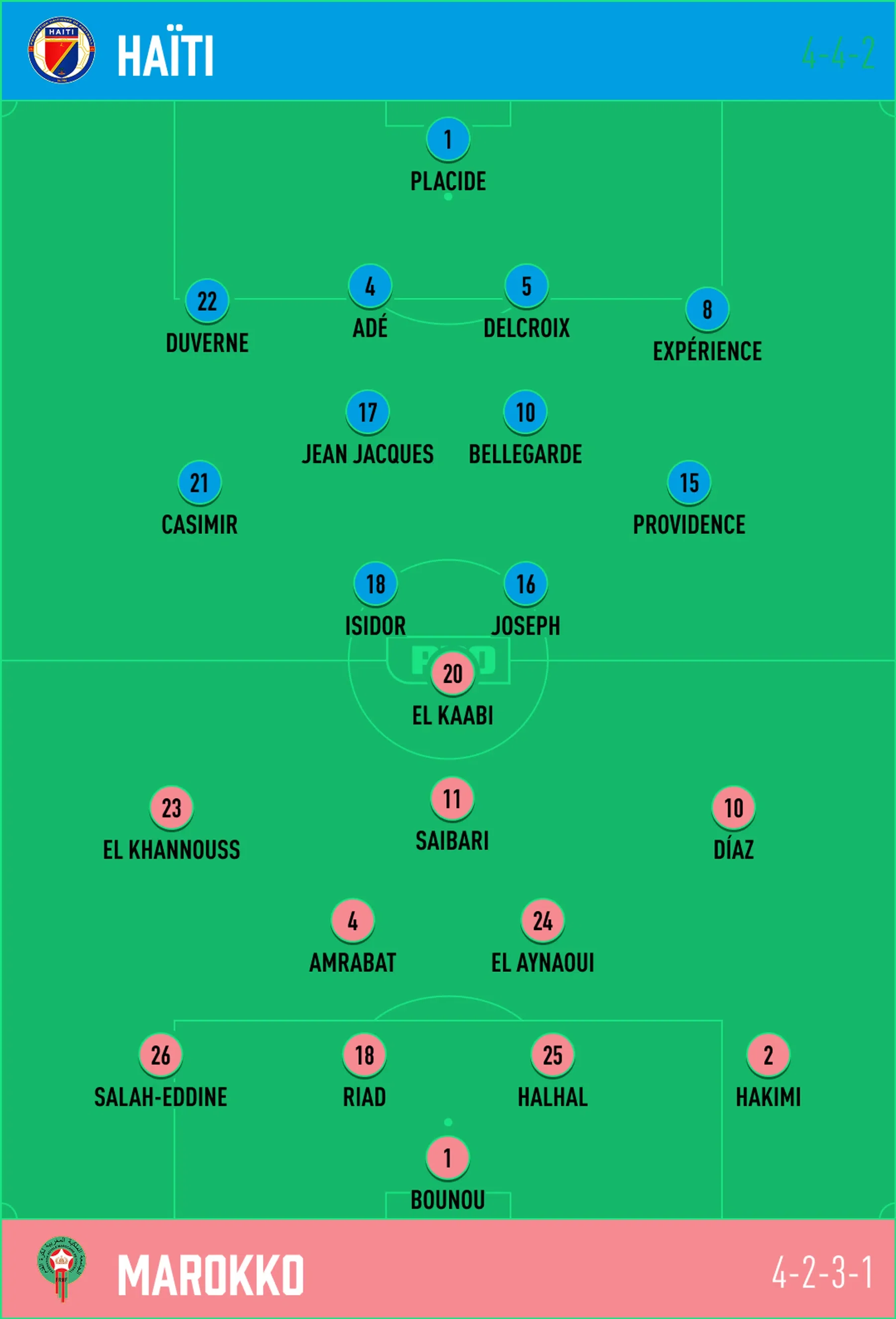
Following a strong performance against Scotland, Morocco is nearly assured of a top-two finish in Group C. Coach Mohamed Ouahbi intends to take advantage of their upcoming match against the underdog Haiti, making significant adjustments to the starting lineup, with four changes anticipated.
The Stakes of Group C
The dynamics of Group C are particularly interesting given the presence of heavyweights like Brazil and the looming threat of the Netherlands. Morocco's strong showing against Scotland wasn't just a confidence boost; it positioned them favorably in the group standings. Beyond the normal stress of tournament play, achieving a higher goal differential could be the difference in avoiding tougher matchups as they advance. For many in the franchise, this tournament represents a unique opportunity to showcase their skills on a global stage, especially given Morocco’s footballing history, not especially known for vast successes in the World Cup context.
So, what’s behind Ouahbi's strategy? By opting for strategic modifications against Haiti, a team that struggled against Brazil in a 3-0 loss, Morocco aims to both secure maximum points and pad their goal difference. It reflects a calculated risk that could pay off handsomely.
Strategic Adjustments in the Lineup
On one hand, Ouahbi is striving for group victory. After Brazil's 3-0 win over Haiti, Morocco needs to amass a considerable number of goals to surpass Brazil's goal difference and avoid a potential clash with the Netherlands. To achieve this, Ismael Saibari is expected to pivot from his usual role as a false nine to operate as an attacking midfielder. Meanwhile, veteran striker Ayoub El Kaabi from Olympiakos will lead the front line. These adjustments exemplify Ouahbi’s tactical flexibility and a commitment to keep the Moroccan offense unpredictable and potent.
Bringing in fresh legs can change the pace and rhythm of a game, especially in high-stakes matches. El Kaabi's experience at Olympiakos can be invaluable, as he’s likely to perform with a higher level of awareness and composure. Incorporating him into the starting lineup not only boosts the attacking options but also enables Saibari more space to maneuver—perfect for exploiting Haiti's defensive gaps.
 © VI PRO
Maintaining Freshness Amid High Intensity
Secondly, the alterations in Morocco's starting lineup also aim to maintain freshness, as their intensity waned significantly in the latter stages against Brazil and Scotland. This perceptive move signals that Ouahbi understands not just the physical demands of such matches but also the mental toll it can take on players.
The fitness level of players in tournament play often determines success or failure; teams that can rotate effectively while maintaining performance standards often advance far. By integrating newer players and giving starters a breather, Morocco could sustain a high-pressure game against Haiti. Players need to be sharp and energized, especially when they’re tasked with scoring multiple goals in a single match.
And let’s talk about game dynamics: shorter bursts of energy from fresh players could exploit weaknesses, especially against a fatigued adversary. If you're working in this space, you know maintaining high energy levels is non-negotiable in tournament football.
Implications for Future Matches
The match at Atlanta's Mercedes Benz Stadium promises to be entertaining. Should the Netherlands secure group victory, coach Ronald Koeman will need to keep a close watch on more than just Saibari's movements as they prepare for a dynamic Moroccan offense. The Netherlands’ coaching staff is likely to analyze Morocco's strategies closely, especially how they intend to exploit Haiti’s defensive frailties. If Morocco can execute their game plan effectively, it would not only bolster their position in this current tournament but send a signal to their potential next opponents.
This focus on goal differentials and tactical adjustments could have far-reaching consequences. If Morocco's players thrive under the pressure of needing to score large numbers, they could gain significant momentum moving forward, impacting their performance in the knockout stages. They have the potential to emerge as underdogs capable of upsetting established hierarchies.
What this means for you, as a follower of international football, is that the narratives are not just about winning or losing; they're increasingly about strategy, stamina, and adaptability. This tournament has been about showcasing not just skill but smart football.
In practical terms, Morocco is more than just a team to watch; they're a study in how a well-rounded approach combining youth and experience can lead to unexpected successes. Given their intent to revamp their lineup, it seems clear they’ll do everything in their power to turn heads and maybe even make a deeper run than anticipated. This interplay of strategy and execution might well redefine expectations for the Moroccan team and their fans knocking on the door of footballing success.