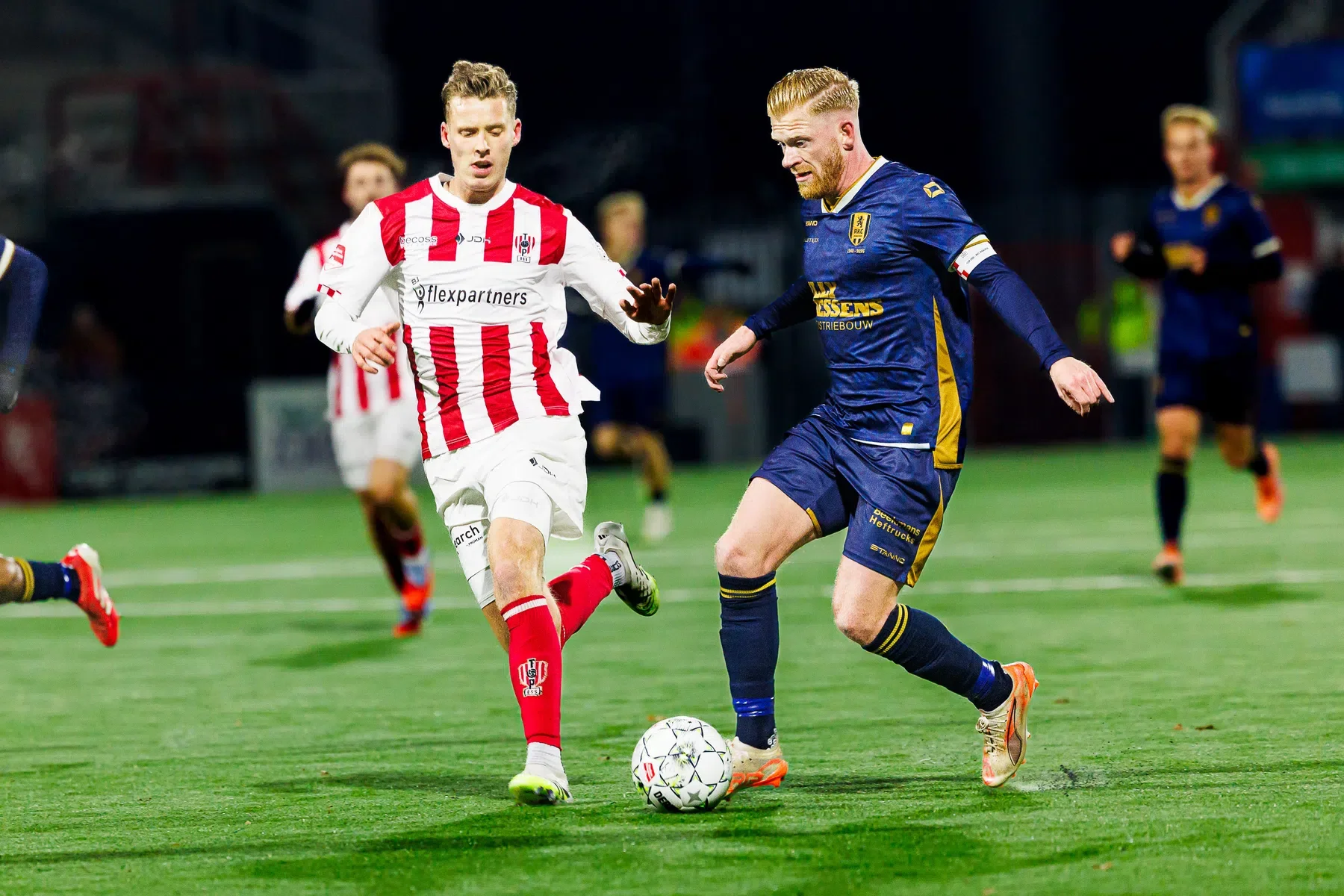
TOP Oss has bolstered its squad with a familiar face. After eight years away, Richard van der Venne has returned to the club in his hometown. The 34-year-old midfielder signed a one-season contract with an option for an additional year.
Van der Venne’s journey in football is a testament to perseverance. His route to the professional ranks wasn’t straightforward. Before securing his place in the senior squad of TOP Oss, he spent valuable time navigating through the club's youth setup. While there’s often pressure to transition quickly to the first team, Van der Venne's commitment to honing his skills at amateur clubs like Berghem Sport and Oss '20 paid off.
His time at top-flight clubs in multiple countries—Australia's Melbourne City and FC St. Gallen in Switzerland—exemplifies the global nature of player careers nowadays. Each move brought new challenges and experiences, but the draw of returning to his roots typically resonates deeply with athletes. Such returns can rejuvenate not only the player but the club and its fanbase as well.
Van der Venne’s prior tenure at TOP Oss included 81 appearances. That’s a solid record for a player who has long been recognized in the club's history. His evolution from a promising youth prospect to a seasoned professional illustrates how homegrown talent can significantly contribute to local clubs. However, embracing the experience gained abroad is also equally important.
Impacts on TOP Oss and Local Football
This move holds weight for TOP Oss, a club that has had its share of ups and downs. As the team continues to strengthen its squad ahead of an important season, bringing back a player with a known history and connection to the community adds an emotional layer to the strategic decisions being made.
Local clubs often operate within financial constraints, and former players invested in the community can make a substantial difference on and off the field. Van der Venne’s presence in the squad could lead to increased attendance at home games and greater engagement with fans who remember his earlier contributions.
(And this is the part most people overlook.) The financial implications of signing a local player can differ dramatically from those of a foreign transfer. His return may re-ignite interest in merchandise sales, sponsorships, and ticket sales. After all, a player who resonates with fans can bring a unique energy that enhances the atmosphere.
The Personal Touch: A Full-Circle Moment
Reflecting on his return to TOP Oss, Van der Venne expressed the sentiment of coming home. He stated, “I work hard, stay close to my family, and always remember where I'm from." For many players, the emotional connection to a club often runs as deep as any professional aspiration.
The emotional weight of Van der Venne's return serves to highlight the intrinsic relationship between players and their hometown clubs. Watching his former team from the stands as a kid undoubtedly shaped his formative experiences. It’s the kind of story that not only uplifts athletes but also speaks to aspiring young players in the area—proving that dreams can come true with dedication.
What this means for you, if you’re a supporter or a player coming up through the ranks, is that your local club can be a launching pad. Van der Venne’s experience might inspire youngsters to stay committed, continue improving, and eye a future that merges personal passion with professional opportunity.
Implications for the Future
Looking ahead, Richard van der Venne’s signing could set a precedent for other clubs in similar situations. The trend of welcoming back former players isn’t just a sentimental gesture; it reflects a broader strategy of club branding and loyalty. In a football world often obsessed with star signings and big-money transfers, the narrative of returning heroes can resonate profoundly with fans.
Yet, there are inherent risks. Performance on the pitch is what ultimately determines success. If Van der Venne, now 34, struggles in the rigorous demands of the season, public opinion might shift. The excitement could quickly turn into disappointment, affecting both his morale and the club's atmosphere.
Top clubs are aware that relying on nostalgia alone won’t guarantee success. If they can’t balance emotional connections with practical outcomes, it may lead to fans feeling let down. Therefore, it’s critical for TOP Oss, and clubs like it, to set realistic expectations while leveraging the strengths that experienced players like Van der Venne bring.
In the wider context, this marks an interesting moment in the football undercurrent where local talents and familiar faces could reclaim a more prominent role in club strategies. Observing how this unfolds at TOP Oss might provide insights into broader trends in player movements and club philosophies.