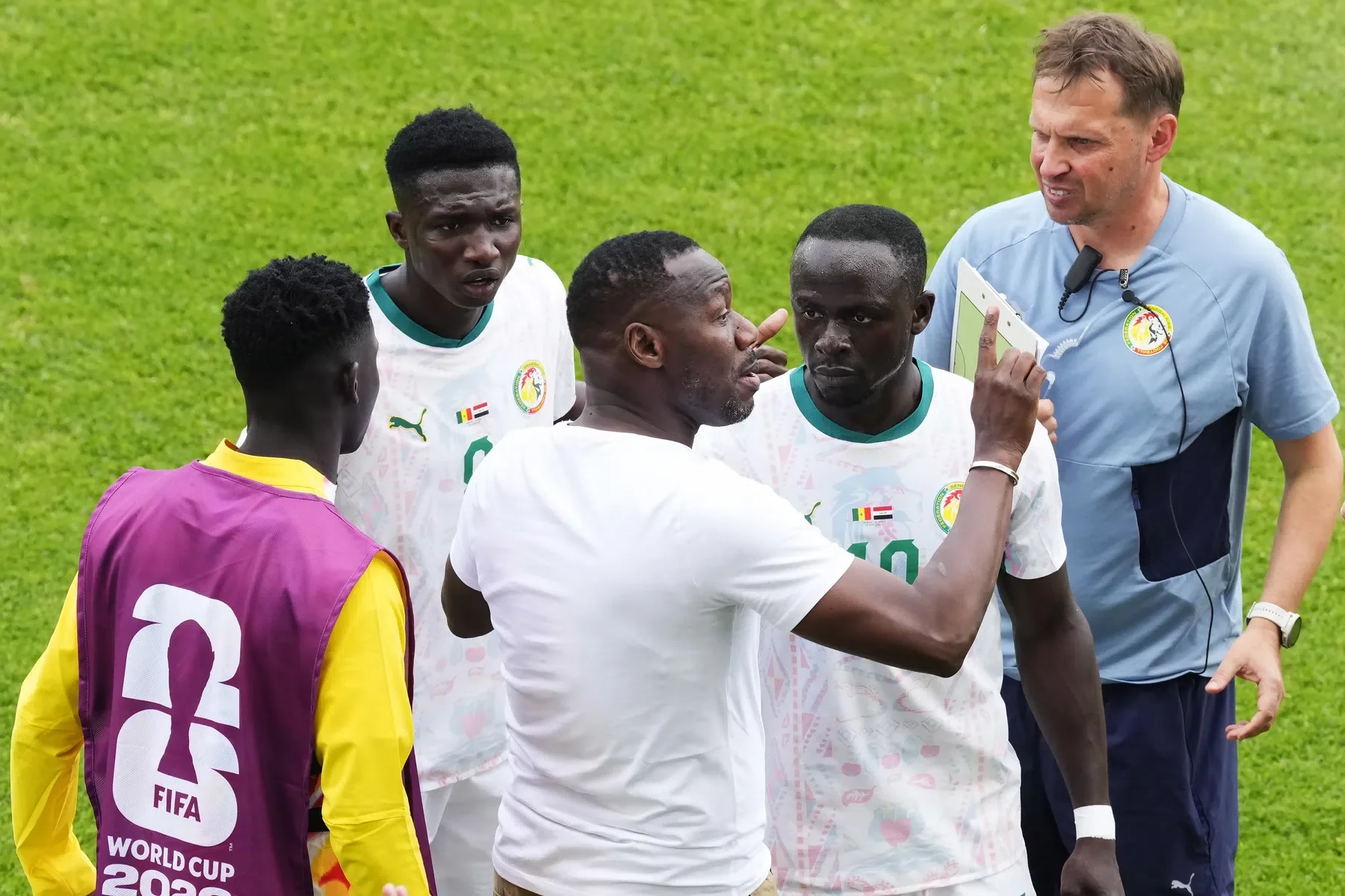
Senegal reacted with disappointment to the late penalty that allowed Belgium to secure a victory in their World Cup knockout match. Coach Pape Thiaw and player Habib Diarra expressed their frustrations without directly commenting on the controversial decision made by referee Héctor Said Martínez Sorto.
© Pro Shots
A Late and Controversial Decision
In the high-stakes atmosphere of the World Cup, moments of controversy can often define a team's journey. The late penalty awarded to Belgium, resulting from a foul on Youri Tielemans, has become the focal point of criticism and disappointment for Senegal. Given the significance of the match, which would decide Senegal's advancement in the tournament, the timing of the decision added layers of frustration.
Referee Héctor Said Martínez Sorto’s reliance on VAR (Video Assistant Referee) highlights an ongoing debate in football about how technology should be used during crucial moments. While technology aims to minimize human error, it can sometimes exacerbate tensions, as teams find themselves at the mercy of subjective interpretations. This situation isn’t unique; many fans and analysts argue that VAR can create more questions than answers, raising doubts about its efficacy. Senegal's situation exemplifies this conversation perfectly.
Voices from the Pitch
Coach Pape Thiaw’s post-match comments seemed to balance disappointment with a semblance of grace. While he chose not to dwell directly on the referee’s decision, his visible distress indicated the depth of feeling surrounding the penalty. "I won't comment on the referee's decision," he stated, but one could sense the frustration simmering beneath his calm façade. He shifted the focus back onto his team’s performance, perhaps recognizing the need for accountability beyond the penalty call.
Thiaw's comments reflect a fundamental understanding of the sport: players must take ownership of their performance. His acknowledgment of the physical struggles faced by players who couldn’t complete the match speaks to deeper issues within the squad. Injuries, stamina, and decision-making all intertwine, influencing a team’s ability to perform in crucial moments. This emphasis on internal factors suggests a coach aware that football cannot solely be critiqued through the lens of event-driven decisions.
Player Habib Diarra also shared his sentiment of disappointment but echoed Thiaw’s reluctance to engage in discussions about the controversial penalty. Instead, he focused on a broader narrative of personal and team accountability. "We needed to make sacrifices on the pitch. We didn’t do that," he stated. This admission might resonate with fans who could see flashes of talent in the team, yet relentless pressure and expectations led to a performance that fell short.
Previous Challenges with Late Penalties
Senegal's history suggests they aren't strangers to controversial late penalties in major tournaments. The previous incident involving Morocco remains fresh in the minds of players and fans alike. Such experiences can create a psychological burden, with players potentially second-guessing their actions in high-pressure situations. This cyclical pattern raises questions about the mental toll that these circumstances can impose on a team.
The collective memory of past frustrations can weigh heavily, as players transition from one high-stakes match to another. This pattern may explain Senegal’s initial hesitation to engage with the narrative surrounding the late penalty — a reflex that aims to protect the team’s morale. However, acknowledging and addressing past challenges can be a pathway toward growth, preventing previous mistakes from haunting future performances.
Implications for Senegal’s Future
The loss to Belgium is not merely about a single match; it reverberates through Senegal's football trajectory. The ongoing cycle of disappointing exits in high-stakes competitions has broader implications for how the national team views success and failure. That feeling of immense disappointment might trigger an introspective period for both players and coaching staff as they reflect on team dynamics, preparation, and mental resilience.
If you're working in this space or following the sport closely, you might wonder how Senegal will rebound from this. The need for self-assessment is acute, and Thiaw's approach will be pivotal in shaping the team's outlook. They’ll need to address the physical demands placed on players crucial for maintaining performance in future competitions. Changes in training regimens, injury management, and perhaps even scouting for younger talent could be on the horizon.
Moreover, understanding the psychological impact of such matches is equally important. Teams that learn to thrive under pressure evolve, often rallying together to change their narrative. Senegal’s past shows promise; they’re a talented squad capable of growth, but the road ahead requires hard work and a refocusing on what football truly means to them as a national team.
Ultimately, the disappointment felt thick in the air after the match against Belgium speaks volumes about the expectations set upon Senegal’s football team. This narrative extends beyond a single penalty and draws broader conclusions about determination, resilience, and the intricate workings of competitive sports.