Shortly after England's quarterfinal victory against Norway, tensions rose between Jude Bellingham and manager Thomas Tuchel over the team's performance. The disagreement was quickly highlighted by the media. Bellingham, who scored twice in the match, appeared unfazed by Tuchel's post-match criticisms, stating, 'What does it matter? Everyone worked really hard today.'
Analyzing the Bellingham-Tuchel Rift
This incident isn't just about two individuals clashing; it reflects ongoing dynamics that often exist in high-stakes sports environments. When talented players like Bellingham contribute significantly—he scored two crucial goals—expectations rise. Coaches, however, may feel justified in pointing out flaws, even in the aftermath of a victory. This is often part of a manager's role: to steer the team toward consistent excellence, even when victories mask underlying issues. The media's spotlight on such rifts usually amplifies the situation, creating added pressure on both the player and the manager.
Bellingham's response, seemingly casual, shows a level of maturity uncommon in younger players. His dismissal of Tuchel's critique implies confidence, but it also raises questions about the team culture. If players prioritize individual accolades over collective criticism, it could signal underlying concerns within the locker room.
© Pro Shots
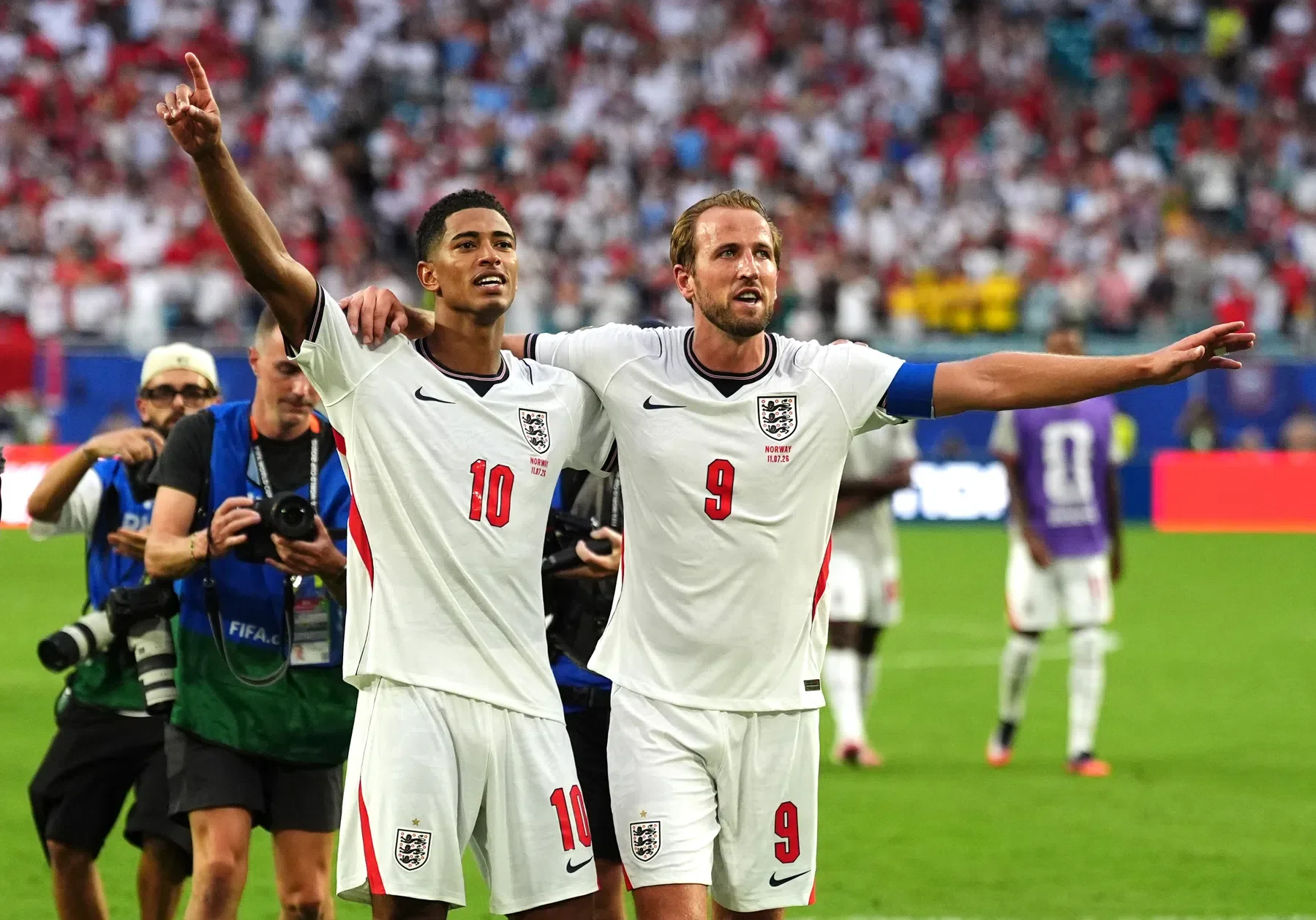
Kane's More Balanced Perspective
Interestingly, Harry Kane's take on the situation presented a more balanced view. When questioned the following day, he acknowledged Tuchel's frustrations. This difference in perspectives could indicate a broader issue within the team: a potential disconnect between players' self-perception and the expectations set by their coach. Kane’s comments, focused on the inconsistency in performance during matches, shine a light on a common challenge in football—bridging the gap between training prowess and match-day execution.
Tuchel, a coach known for his intense and demanding style, might feel the pressure to extract every ounce of talent from his players. In essence, both players and coach are caught in a delicate balancing act: how to improve under scrutiny while managing emotions and team dynamics. Kane’s remark that "he knows what we can do in training" is particularly telling. It suggests that there’s an unfulfilled potential, pushing both on-field performance and coaching strategies into the spotlight.
The Road Ahead for England
As England prepares to face Argentina in the semifinals, there’s a palpable tension contrasting celebration and pressure. The team's progression itself signals achievement—it’s not every day England makes it this far in a World Cup. Yet, with this success comes expectations. Players are aware they need to elevate their game. Kane expressed this sentiment well when he stated, 'We know we can perform better.' It's a refreshing acknowledgment, but it also serves as a reminder that past achievements won’t carry weight in future matches.
Environmental factors also play a role in performance narratives. Kane pointed to the "hot and humid" conditions in Miami, suggesting that they may have factored into the less-than-stellar showing against Norway. What this means for you, if you’re working in sports analysis or coaching, is clear: understanding players’ responses to environmental stressors can inform strategies about training and match preparation.
Implications and Future Outlook
Looking ahead, this tension between Bellingham and Tuchel could have several implications. If player and coach can channel their differences productively, it might lead to refined performances on the pitch. Conversely, if unresolved, it risks fracturing team morale in critical moments. Successful teams often thrive not just on individual talent but also on cohesive teamwork, where disagreement can lead to growth rather than division.
In broader terms, this situation emphasizes the balancing act all teams face. The most skilful players aren’t just those who showcase their talent; they also contribute to a harmonious system. Discontent can bubble up, leading to rifts or, potentially, to extraordinary outcomes if the team handles adversity well. The ability to refine performance under pressure will fundamentally define whether this England squad will be remembered for its accomplishments or its failures.
This is more significant than it looks. How Bellingham adapts to Tuchel’s coaching and the ensuing dynamics will not only influence the upcoming match but could also have ripple effects throughout his career. With the pressure mounting, every decision, every comment counts.