Physiotherapist's Insights on Courtois' Substitution
James van Gemert, the physiotherapist for Belgium's national team, shed light on a controversial moment during the quarterfinal match against Spain. The decision to substitute Thibaut Courtois, Belgium's experienced goalkeeper, sparked debate among fans and analysts alike. Van Gemert clarified that the substitution wasn't made on medical advice; rather, it stemmed from the tactical decisions of head coach Rudi Garcia. This distinction raises questions about the dynamics between coaching staff and medical personnel in high-pressure situations where every choice can hinge on the team's chances at victory.
© Pro Shots
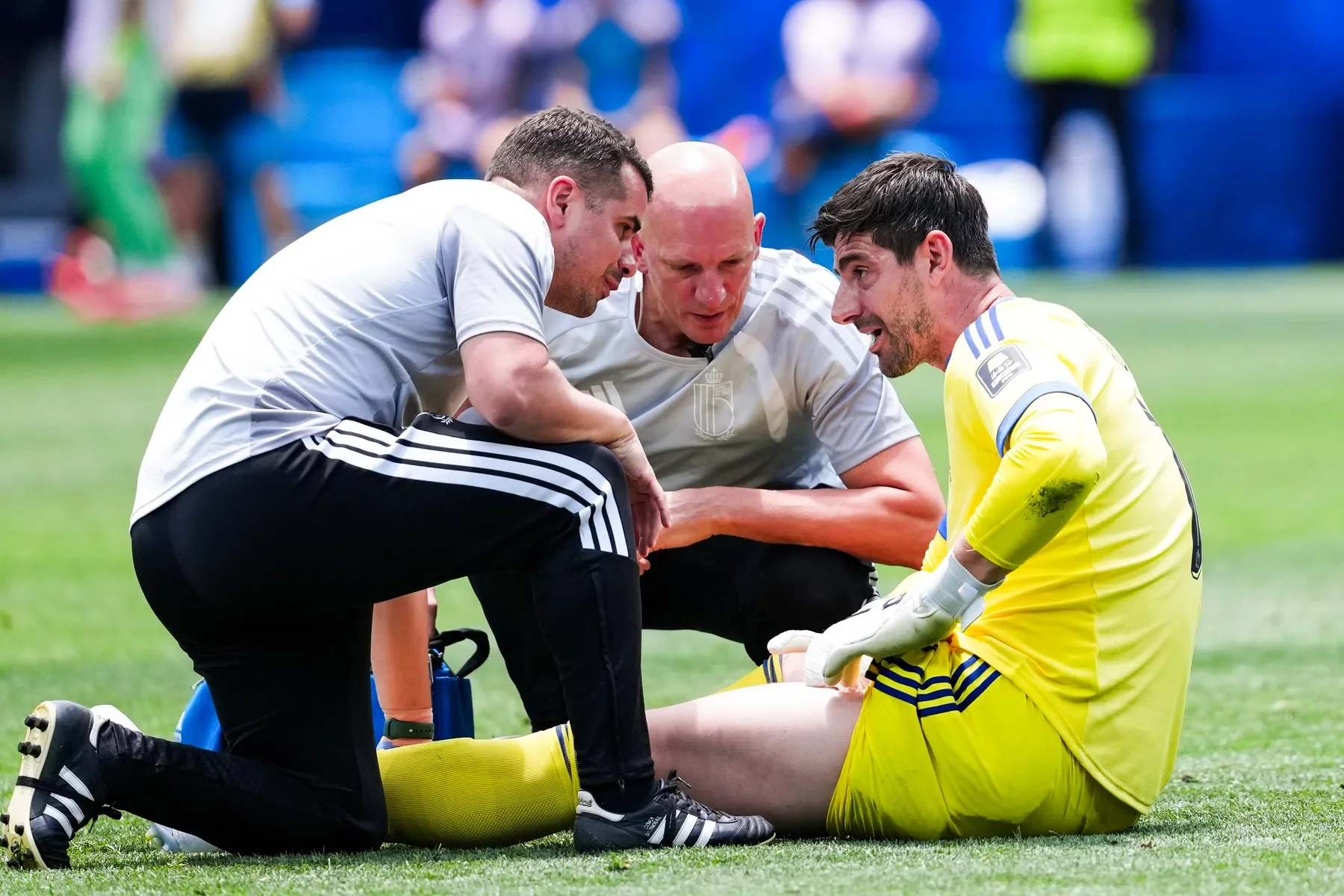
Courtois was substituted in the 71st minute, a critical juncture in the match. His replacement, Senne Lammens, stepped onto the pitch under immense pressure, facing the immediate expectations of defending against a strong Spanish team. That pressure intensified when Lammens made an error that paved the way for Mikel Merino's goal. This substitution may have been a tactical maneuver, but the execution proved costly for Belgium, ultimately leading to their 2-1 defeat. Decision-making in matches isn't just about physical fitness; it’s a blend of strategy, game dynamics, and psychological components, all of which can drastically alter outcomes.
Reflecting on the situation, Van Gemert stated that Courtois never expressed a desire to be substituted following treatment for an injury. This revelation suggests that the decision was made in a vacuum, perhaps without fully considering the player's readiness or state of mind. Garcia had already signaled his intent to replace Courtois as he instructed Lammens to warm up before the water break, indicating a premeditated tactic rather than a reaction to immediate gameplay conditions.
Van Gemert went on to explain that Garcia has a strict philosophy regarding player fitness. He highlighted a similar decision involving Kevin De Bruyne, reinforcing the idea that the coach prefers to field only those players deemed fully fit. This philosophy, while commendable in principle, leaves room for scrutiny. What happens when a coach prioritizes tactical changes over a player's instinct to continue? In such high-stakes scenarios, one wonders whether the decision-making process is too rigid, potentially sidelining valuable player insights.
Revisiting Coaching and Medical Dynamics
The circumstances surrounding Courtois’ substitution highlight a larger issue within professional sports: the relationship between coaching staff and medical teams. Good communication is paramount in ensuring that decisions made on the field are well-informed and take into account both strategic necessities and player welfare. Coaches must navigate making instantaneous calls that can alter the course of a game, while also being sensitive to the physical state of players. This dichotomy often results in complex conversations. Here’s the thing: sometimes, the athletes know their bodies better than anyone else.
There's a tension built into the choice between strategic substitutions and maintaining the squad's morale and fitness. Players experiencing an injury may still insist on pushing through—especially around critical moments like playoff matches. Coaches, driven by an adherence to a tactical plan and the principles of fitness, may overlook this. There’s a caveat here: who assumes responsibility when a tactical decision backfires? The line between coaching decisions and injuries can sometimes become blurred, creating blame games rather than constructive dialogue.
Looking Ahead to Future Competitions
As the focus shifts to upcoming tournaments, Belgium's trajectory is under scrutiny. The World Cup remains a perennial topic among fans and analysts, particularly as qualifications for the next edition unfold across North America. Belgium's performance, especially in light of this recent debacle, is likely to shape discussions around the team’s capabilities in international competition. Future success hinges on not just talent, but also effective decision-making from both coaches and players alike.
For those invested in Belgium's journey, staying informed about fixtures, results, and statistics is vital. This is more significant than it looks; understanding the dynamics of each team can provide insights into how they might fare in the competitive landscape of international football. For real-time updates and in-depth analysis, you can visit our World Cup page.
Implications for Team Strategy and Management
What does this mean for you, especially if you're working in this space? The intricacies highlighted by the Courtois substitution are lessons for all involved in sports, not just at the elite levels, but even down to grassroots teams. Effective management of player welfare and strategic planning often coexists uneasily. The fallout from this incident suggests that teams might benefit from deeper collaborations between medical personnel and coaching staff. Strong protocols could help avert similar missteps in the future.
As Belgium gears up for future challenges on the international stage, how they handle these dynamics will be pivotal. Keeping the lines of communication open will go a long way in ensuring both a strategic edge and player wellbeing. Navigating these issues thoughtfully could help set the framework for not only success on the field but also a healthier environment for all parties involved.