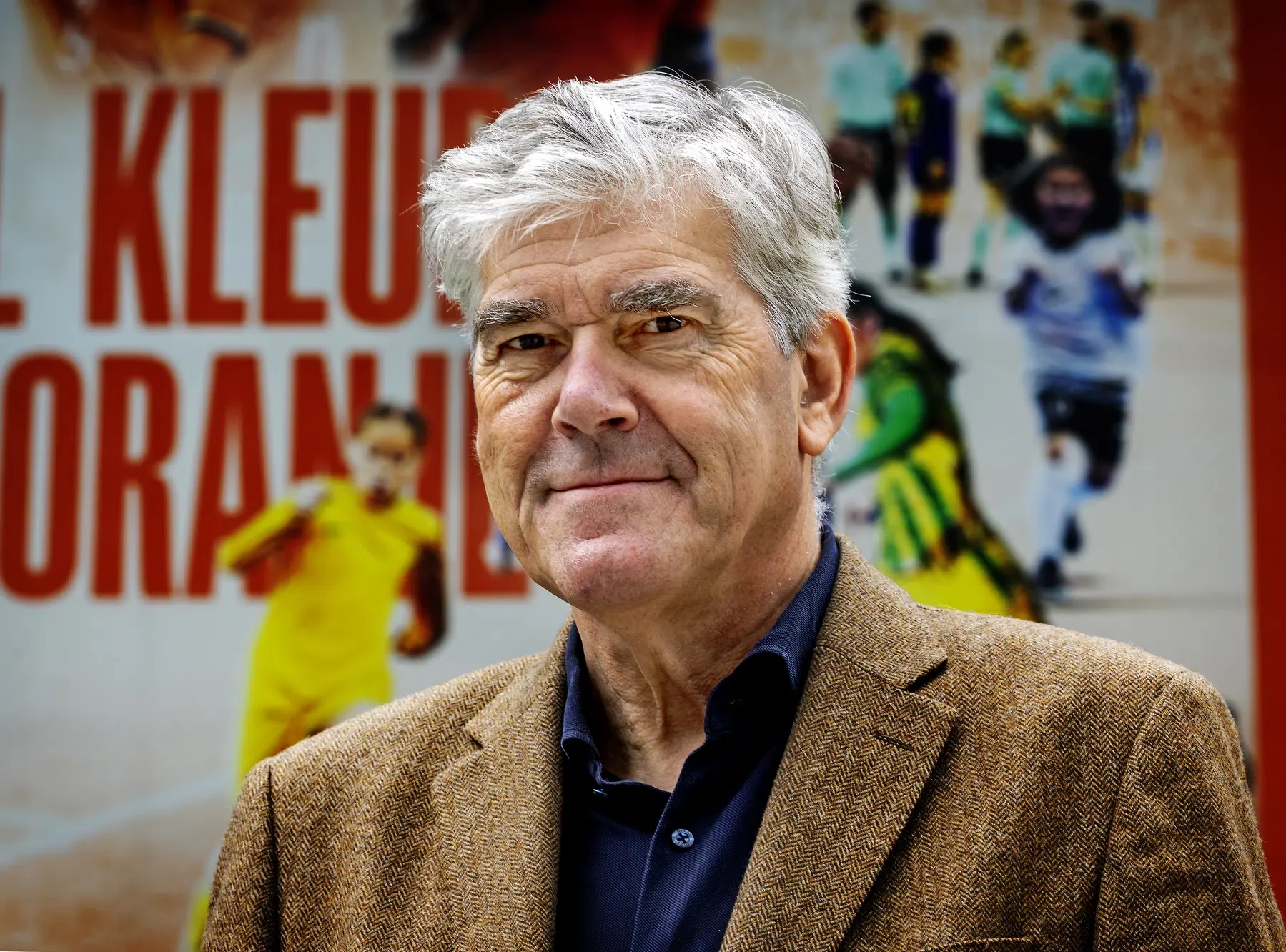
Frank Paauw, president of the KNVB, along with Gijs de Jong, attended an urgent meeting with UEFA on Thursday. Following the discussions, Paauw shared insights with ESPN regarding the gravity of current events.
© Pro Shots
Context of the Meeting
In a climate of growing tensions between FIFA and its members, the meeting between Paauw, de Jong, and UEFA highlights significant discord within football’s governing bodies. The backdrop of this encounter is critical: a proposed FIFA initiative that some associations believe threatens the integrity of the game. This isn't just another organizational dispute; it strikes at the heart of football governance and the core values that underpin the sport globally.
This isn't the first time that UEFA has pushed back against FIFA initiatives. In the past, similar proposals have elicited strong reactions, but the current assertion of unity among the 55 member associations is more striking given the historical fragmentation. As football continues to expand—both in viewership and commercial revenues—the balancing act between commercial interests and long-standing values becomes increasingly complex. Here’s the thing: the potential fallout of this unity could reshape how football is governed and played.
The Proposal and its Repercussions
Paauw affirmed the statement released by UEFA, indicating that all 55 member associations reached a consensus against the proposed FIFA initiative. This assertion of solidarity among Europe’s football federations is significant. It signifies a collective stand against what many perceive as an infringement on their autonomy and principles. Paauw's words, “If this proposal remains on the table, we will boycott FIFA tournaments. Money cannot override the core values of football,” echo the sentiments of many who feel that the sport is being commodified beyond recognition today.
He criticized the actions taken by FIFA, stating: “This has disregarded all principles of good governance. All relevant bodies have been sidelined.” These comments draw attention to a growing frustration within the sport regarding transparency and governance, especially when financial interests overshadow the game’s ethos. Paauw’s outright condemnation of FIFA’s tactics signals a desire for a return to what football should represent—fair play, integrity, and community.
The Potential Impact on Upcoming Events
What does this mean for the Women’s World Cup and other upcoming tournaments? Paauw mentioned that the next summer event could be the first directly impacted by this boycott. For many, the Women's World Cup is a beacon of progress and inclusion in sports, and its potential disruption raises questions about FIFA's commitment to these values. Recent years have demonstrated that the women’s game is gaining traction and respect, and any disruption could have lasting implications for its growth.
If you're working in this space, it’s essential to keep an eye on how this situation unfolds. Boycotting a major event like the Women’s World Cup would not only jeopardize the competitive landscape but could also alienate a vast audience that is increasingly invested in women’s sports. The unity displayed by UEFA might just be the catalyst needed for a more equitable governance structure in football.
Leadership and Accountability
When questioned about the implications if FIFA's Gianni Infantino retracts his proposal, Paauw explained that the situation would still require scrutiny. “This raises concerns about how we reached this juncture,” he stated, illuminating a critical aspect of the negotiation process. It’s clear that this conflict isn't solely about a single proposal but rather about a fundamental shift in how football governance is perceived and executed. The KNVB believes we've crossed a line, putting commercial interests above football's values.
This perspective casts a wider net on the discourse surrounding the leadership within FIFA and UEFA. The idea of leadership itself is being challenged. What does it mean in the context of ensuring that the sport remains accessible and equitable? What kind of oversight is necessary to ensure that governance reflects the core principles of football? The nuances of these discussions are critical not only for administrators but also for players and fans alike.
Implications for the Future
The ramifications of this meeting and the statements made by Paauw may extend beyond immediate boycotts or negotiations. The organizations’ leaders are being pushed to consider the foundational principles that the sport should embody. An uncomfortable reality is settling in: commercial success can't be the primary metric for football's value.
This isn't just about a temporary rift but potentially a redefinition of how football operates at every level. Are we at a turning point for international football governance? The situation demands decisive leadership, and yet, the inertia surrounding these discussions is palpable. This emerging narrative could lead to either a reinvigorated ethos in the sport or further disenchantment with how football is governed.
As responses unfold and UEFA deliberates on next steps, one thing is clear: the unity displayed by member associations may become a new standard. Football fans and stakeholders alike will be watching closely to see if this moment translates into sustained change. Only time will tell what lasting impact this will have on football governance and the integrity of the sport.