Mauro Júnior has publicly evaluated PSV's heavy defeat in the Johan Cruijff Schaal, expressing that “AZ was simply better.” The Eindhoven captain found the red card shown to Joey Veerman justified, noting its impact on the game.
© Pro Shots
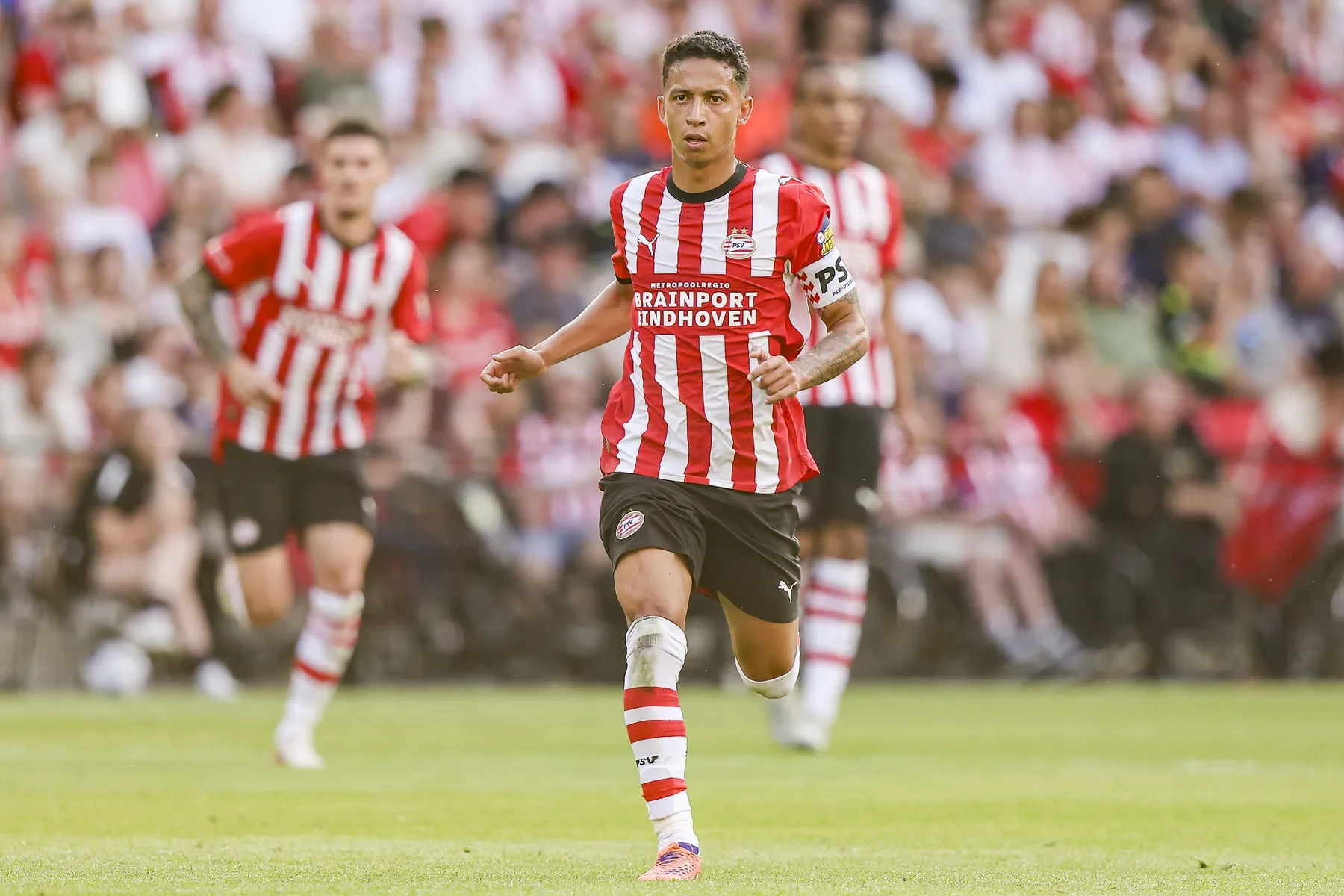
The Match's Turning Point: Joey Veerman's Red Card
Veerman's early red card undeniably shaped the narrative of the match. In high-stakes football, a single moment can dramatically alter the course of a game; this incident serves as a prime example. While Kenneth Perez questioned the call, Mauro stood by the referee's decision, asserting the need for discipline on the pitch. “Sadly, he struck the head of an AZ player. A red card in such a case makes it a difficult match for us," he explained to ESPN. Identifying the call as justified speaks to the game's larger context—referees increasingly lean toward prioritizing player safety, a decision that resonates within the industry.
This questioning of officiating adds to an ongoing discussion in football regarding the consistency of red card decisions. The subjective nature of such calls means that they can vary widely from match to match. If you're working in this space, be aware that the way matches are officiated increasingly governs public and media scrutiny, shaping narratives around both players and teams in ways that can linger long after the final whistle.
Mauro's Optimism Amidst Defeat
Mauro's comments about the team's spirit reveal a mindset that's increasingly important in professional sports. “Absolutely, we're a competitive team that aims to win. Even with ten men, we created opportunities that were crucial. We aimed to challenge them in the second half. They made adjustments, and today they were better,” he remarked. This quote underscores a dual aspect of sport: resilience and the acknowledgment of an opponent's competence. This kind of outlook isn't just about sportsmanship; it's about maintaining a positive culture within the team, which is key to long-term success.
However, the reality remains that creating opportunities does not always equal scoring; numbers often tell a more painful story. With a team down to ten men, the tactical dynamics shift many times, forcing players into defensive roles. This can also have an emotional toll, creating frustration when opportunities don't translate into goals. Sports psychologists often highlight the impact of morale in such pressured situations, something Mauro seems to recognize.
Learning from Defeats
Mauro emphasized the necessity of learning from this experience, stating, “We must ensure we don’t find ourselves in such a situation again. There are always lessons to take away, and this is one. We need to keep our heads up and stay positive.” The concept of continuous improvement is critical in professional sports. Each loss is often dissected and analyzed for patterns and mistakes—whether it's mental lapses, tactical errors, or even interpersonal dynamics on the team. Learning from a defeat, particularly one as heavy as this, can serve as the foundation for more resilient future performances.
Coaches and sports analysts dissect each match for key takeaways, especially following significant losses. This type of post-match reflection transitions smoothly into preemptive measures for future games. Mauro's insistence on taking proactive steps to mitigate repeated mistakes is commendable. Teams that regularly engage in such evaluation often see tangible improvements over the course of a season.
Future Outlook for PSV
What this means for you—the faithful fans and stakeholders—is something to keep an eye on. PSV's trajectory hinges not just on mastering their technical skills but also on refining their mental fortitude. If you're hoping for a turnaround, expect some strategic adjustments in future games. Mauro’s confidence in turning a heavy defeat into a learning opportunity illuminates a path forward; it indicates an awareness on the part of PSV management and players about the work required for redemption.
And yet, the Bundesliga isn't forgiving. Drawing conclusions from a single match doesn’t encompass the entire picture, but the defeat could have lingering effects. Other teams may view PSV as vulnerable, especially in critical matches coming up. The psychological impact of a heavy defeat could manifest not only on the pitch but also in training sessions as the team seeks to reclaim its position in the league.
Ultimately, Mauro Júnior's candid reflections aren't merely a player’s lament but an invitation for introspection—both for the team and its support base. In this age of instant analysis, public perception can change swiftly, and how PSV responds could dictate the tenor of their season. The reactions will be telling. Will they rise from the ashes, or will this prove a pivotal moment for the wrong reasons?