The surging price of oil and gas rocked markets this morning as tensions across the Middle East continued to spike fears of an energy crisis.
Brent crude – the international benchmark for oil – hit $113 this morning, one of the highest levels since the conflict broke out three weeks ago.
Meanwhile the price of UK wholesale gas spiked over 25 per cent to 175p a therm, hitting the highest level since August 2022.
It follows attacks from Iran on the world’s largest liquefied natural gas facility in Qatar, which came after Israel struck an Iranian gas field.
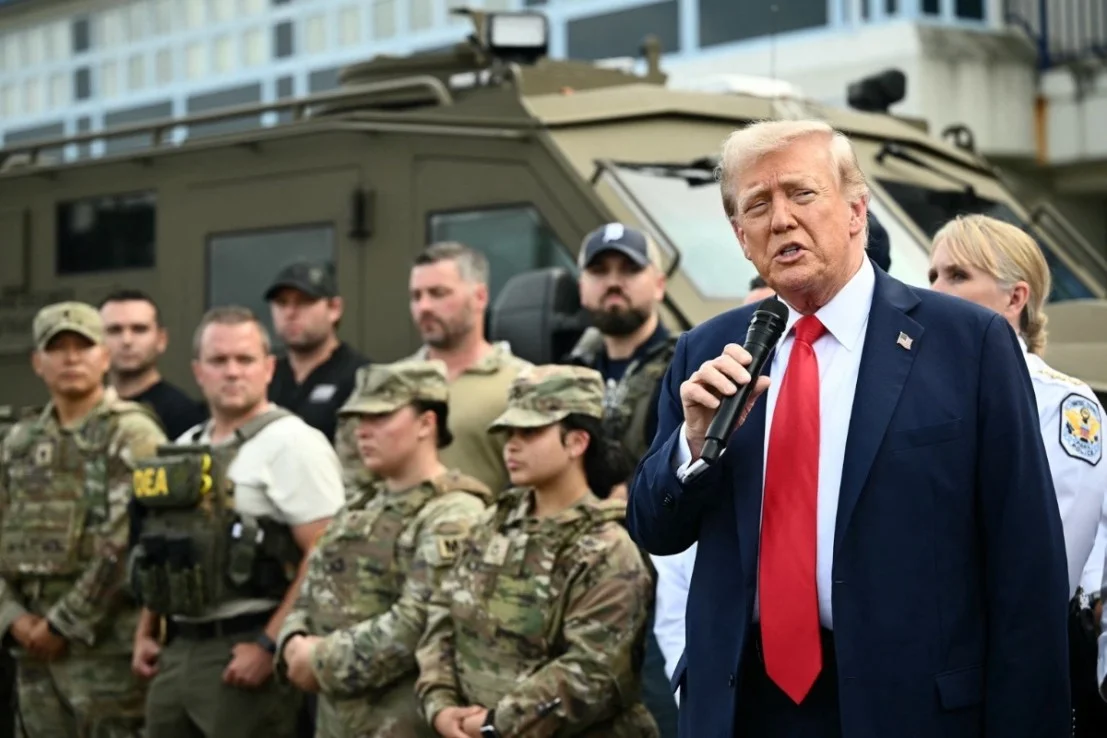
Trump said Israel had “violently lashed out” by attacking the South Pars Gas Field – a major Iranian gas facility – and pledged no more attacks on the site unless Iran strikes “a very innocent” Qatar.
Should that happen, the President said the US “will massively blow up the entirety of the South Pars Gas Field at an amount of strength and power that Iran has never seen or witnessed before”.
Ipek Ozkardeskaya, senior analyst at Swissquote, said: “The war is escalating rather than showing signs of easing. And risks in oil prices remain tilted to the upside.”
Oil in the ‘driver’s seat’
The latest scaling up of tensions in the region has led to another hefty drop for the FTSE 100.
The blue-chip index sank over one per cent at the opening bell on Thursday morning to 10,187.83p. It followed the FTSE 100 losing ground in Wednesday’s trading session to finish one per cent lower as oil prices surged on the news Iran planned to target production facilities across the Gulf.
Richard Hunter, head of markets at interactive investor, commented “The oil price remains in the driving seat, adding another spurt in reaction to a fresh bout of targeted attacks in the Middle East and depressing risk sentiment especially across equities.”
He added: “Conflict appears to be escalating rather than abating, with the rhetoric from both sides threatening further military strikes.”
The renewed fears come as the Bank of England is expected to hold interest rates in a decision to be confirmed at 12pm today following fears that higher energy prices could lead to inflation bouncing higher.
City economists have suggested that Bank officials would have been inclined to cut rates had the war not started.
“We ultimately think the Bank of England will look through this inflation shock and continue cutting rates over time. But the timing has become more uncertain, and it’s possible the Bank delays cuts until late this year or even next,” said Peder Beck-Friis, an economist at PIMCO.
Analysis added that inflation could exceed three per cent by the end of the year if prices stayed where they were while Pantheon Macroeconomics researchers said inflation could top five per cent if oil prices rose to $150 per barrel.