The world’s energy watchdog has urged people to work from home to mitigate soaring oil prices and supply constraints caused by the intensifying Iran conflict.
The International Energy Agency (IEA) said people should limit commuting where possible as the impact on markets and national economies becomes “more and more severe”.
The advice was part of a 10 point action plan that it said could be “implemented quickly” by governments, businesses and individual households across member countries, including Australia and the UK, to curb oil demand.
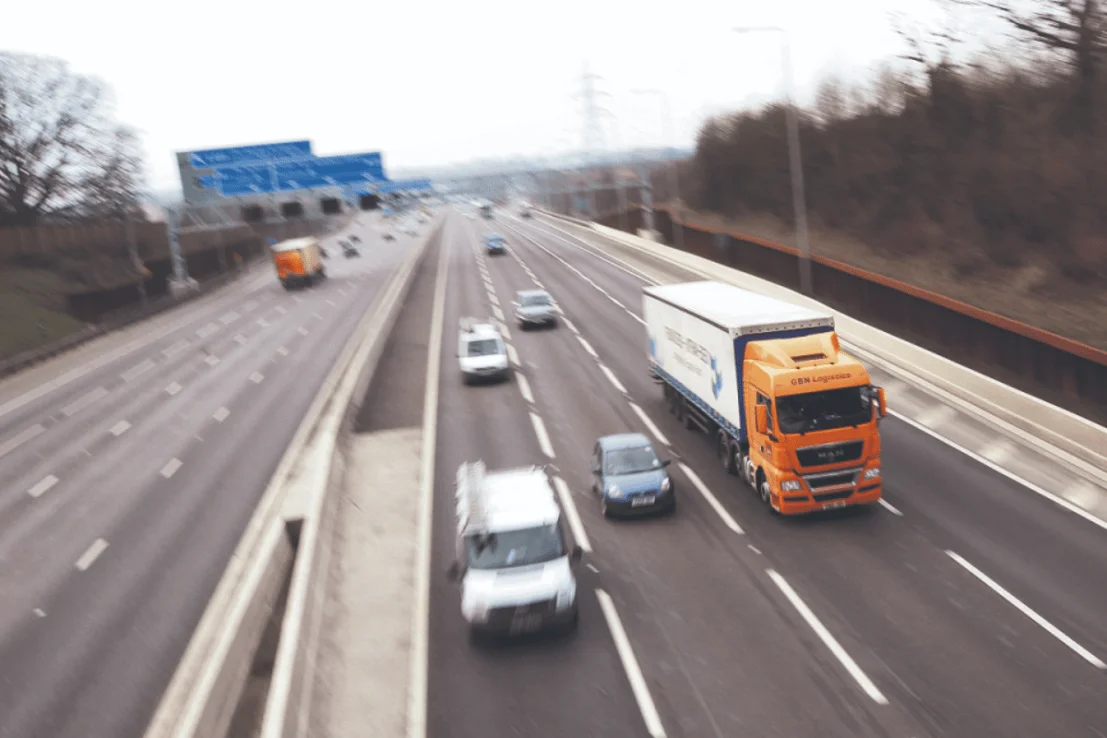
Other measures included reducing motorway speed limits by at least 10 kilometres per hour to cut fuel usage, encouraging public transport, increasing car sharing and avoiding air travel where possible.
The watchdog also advised increasing car sharing and switching to electric cooking solutions.
Fatih Birol, IEA executive director, said: “The war in the Middle East is creating a major energy crisis, including the largest supply disruption in the history of the global oil market.”
Birol added that he hoped the measures will “be of use to governments around the world”, both advanced and developing, “in these challenging times”.
Several countries in Asia, such as Pakistan and Thailand, have already introduced measures to cut fuel demand, including implementing work from home and introducing a four-day work week.
Scrambling to shore reserves
The measures come as several countries scramble to stock up their reserves, with the IEA ordering the largest release of government oil reserves in history to soothe the oil price shock last week.
It will also consider further release orders after warning it will take time for markets to recover from the ongoing crisis, with the disruption triggering sharp price rises for petrol, diesel, jet fuel and LPG.
While the oil releases increased supply, the measures remain focused on reducing demand and helping governments and households prepare for drawn-out disruption, after a number of energy infrastructure across Iran, Qatar and the UAE were targeted in strikes earlier this week.
Strait of Hormuz
The IEA implemented the measures as the US prepares a military operation to secure and reopen the Strait of Hormuz, a key passageway for global supplies of oil and gas.
The operation follows growing concerns that the US does not have a strategy to end the conflict that will guarantee a stable resumption of the oil trade, while NATO members refused to join any operations regarding the strait.
The US deployed low-flying jets and Apache helicopters on Friday morning to strike Iranian vessels and drones near the shipping lane, which serves as a conduit for a fifth of the world’s oil.
The country had been planning to send warships to escort vessels through the area, but officials warned that the operation would probably take weeks to reopen the strait.
General Dan Caine, chairman of the Joint Chiefs of Staff, confirmed that jets are “engaged across the southern flank, targeting fast-attack watercraft in the Strait of Hormuz”.
The operation gained fresh urgency after oil prices broke $100 a barrel on Thursday.