Unexpected Ejection in Match
In a surprising turn of events during the recent matchup between Al-Hazem and Al-Diriyah, Bruno Lage, the visiting coach, found himself receiving a red card at the end of the game. This wasn't due to a heated altercation with officials but rather for an unusual offense: a handball. It's not every day you hear of a coach getting sent off for handling the ball, which traditionally is a player’s transgression. This incident raises eyebrows, not purely for the act but for the implications of a coach coming onto the pitch in such a way.
A Coach's Unique Misstep
Such ejections aren't unheard of in football; coaches often earn red cards for excessive protests against referees. José Mourinho, for instance, has anticipated a few red cards each season, as his passion can lead to moments of recklessness. However, Lage's situation stands out because it reflects a failure to adhere to the basics of sideline conduct. You wouldn't usually expect a coach to risk such an obvious infraction in an attempt to influence the play, particularly given the significant impact it could have not only on his own team but also on his professional reputation.
The Incident Explained
As Al-Diriyah clung to a narrow 1-0 lead, Lage attempted to thwart an Al-Hazem counterattack during stoppage time. When a throw-in was awarded to the opposing team, he stepped onto the field, choosing to intercept the ball with his hand. The referee had little choice but to issue a red card for the infraction, firmly upholding the rules of the game. It serves as a stark reminder of how the pressure of a match can unravel even seasoned professionals. A moment’s impulse turned into a costly error, effectively placing Al-Diriyah at a disadvantage as they faced the conclusion of the match with a depleted coaching staff.
Bruno Lage's Background
Lage is no stranger to the European football scene. Previously, he managed Benfica from 2024 to 2025, where he was succeeded by Mourinho after his dismissal in September. This summer, Lage took his talents to Saudi Arabia following stints with Botafogo and Wolverhampton Wanderers. His experience ranges widely, indicating that he has had ample opportunities to refine his approach and tactics on various stages. Despite such a background, this misstep suggests that even coaches with significant experience can fall prey to the pressures of the game. This incident may prompt discussions among coaches about the fine line they walk when trying to influence play or protect their team, particularly in high-stakes situations.
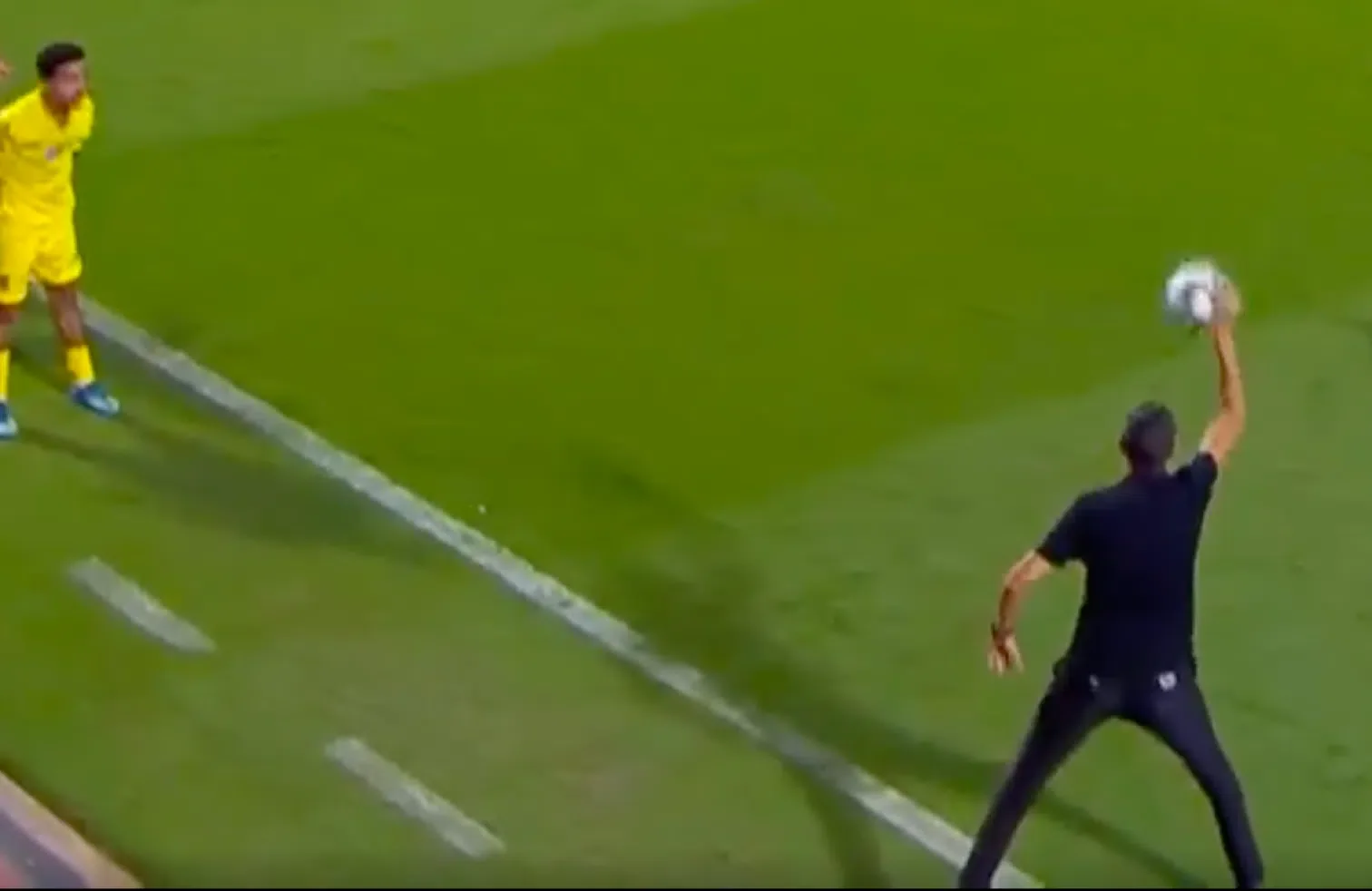
Screenshot: X / @thmanyahsports
Implications of the Red Card
The fallout from Lage's ejection may extend beyond just this match. Coaches play a pivotal role in shaping team dynamics, strategies, and overall morale. Being sidelined can disrupt critical decision-making moments, especially late in the game when strategies might need adjustments based on real-time observations. Furthermore, if this becomes a recurring theme for Lage, it could raise questions about his judgment under pressure, and his overall effectiveness as a coach.
This incident could also ignite a conversation around the responsibilities of coaches during matches. Are they expected to remain passive observers, even when they could physically intervene in a play? What’s being taught about emotional control in high-stakes environments? The guidelines around such interactions may need reevaluation, especially as more coaching styles become dynamic and involved.
The Broader Context
This kind of incident isn't unique to Bruno Lage or to this match; rather, it reflects a broader trend in sports where the line between player and coach duties can blur under stressful conditions. Coaches frequently display intense emotions, especially in the heat of the moment. We often see managers leave their technical area to demonstrate plays or argue calls. Lage's moment on the pitch, however, raises the question: when does passion cross into territory that jeopardizes not only the game but also one’s standing as a leader?
If you’re working in this space, it's vital to consider not just the rules as they apply to players, but how they extend to those in coaching roles. This particular episode offers a lesson that sometimes, the roles coaches play must be executed with restraint. The focus should remain on strategy rather than on influencing play directly, which could lead to unintended penalties.
Future Outlook
The reactions from the league and the fans may shape how similar incidents are managed going forward. In the aftermath of such unexpected events, there’s often a review of protocol and enforcement of existing rules. Football organizations may need to consider whether stricter guidelines or clearer definitions are necessary regarding coach interactions during play.
So what’s next for Lage? He must learn from this error and adapt quickly. The stakes of professional football are high, and a coach’s visibility in judgment calls can define their career path. Fans and analysts alike will be watching closely, waiting to see if Lage can reflect on this experience and steer clear of such missteps in future matches. The narrative of his coaching career could hinge on it.