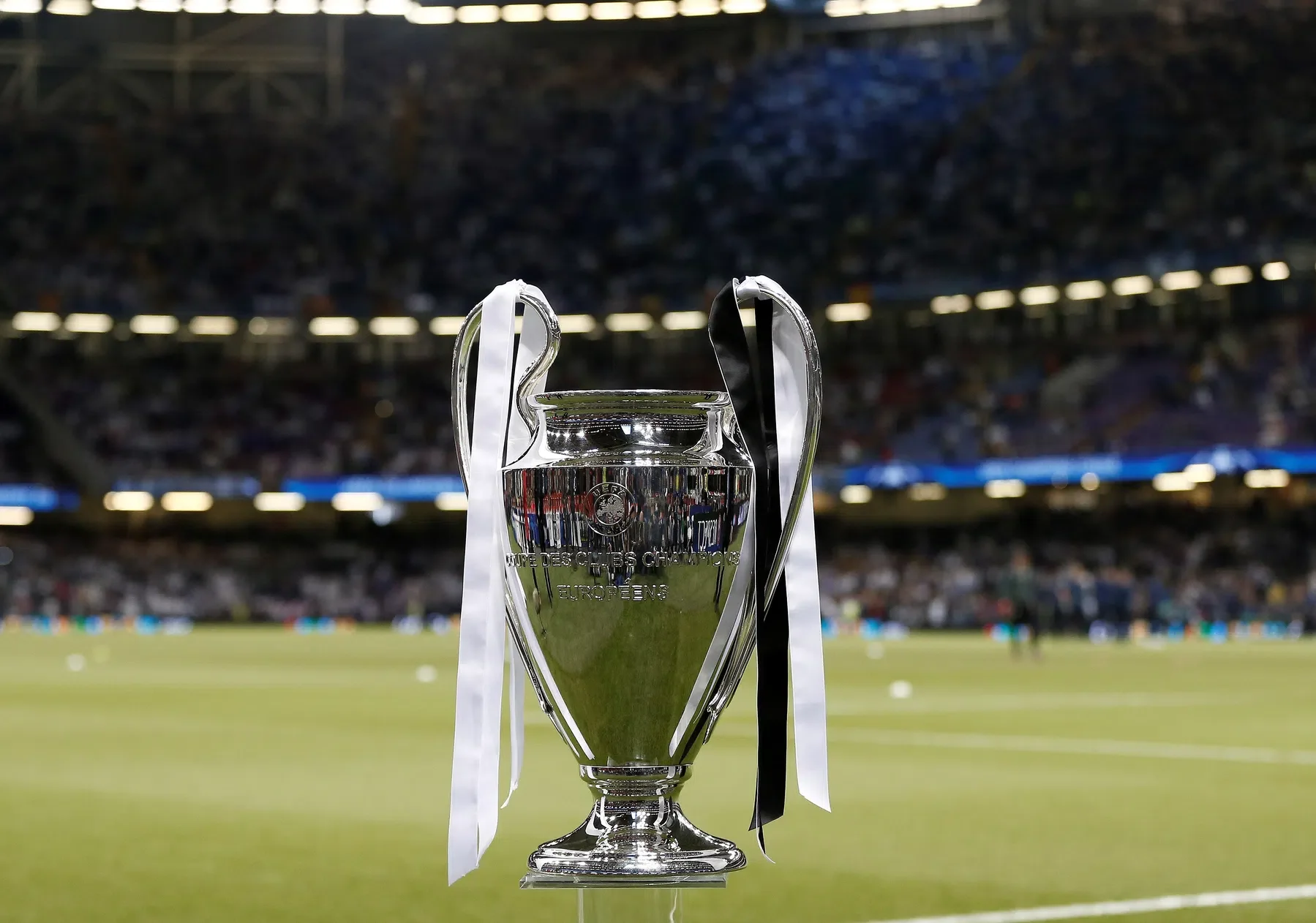
Sabah has made its mark this season by entering the Champions League for the first time. In a thrilling match on Tuesday evening, the Azerbaijani team prevailed against Hapoel Be'er Sheva, marking a significant moment for the club.
Sabah’s entry into the Champions League is more than just a statistic. It reflects an evolving football culture in Azerbaijan, a country where the sport has historically been overshadowed by more prominent leagues across Europe. This debut should encourage not only local talent but also foster an environment for growth and ambition in Azerbaijani football overall.
This season, Sabah distinguishes itself as the second club to debut in the Champions League, following Como's automatic qualification from Italy. For many clubs entering this prestigious tournament, the goal isn’t just to compete; it's about establishing a legacy and a stronger future. This is a prime opportunity for Sabah to leave a mark on the continental stage.
A Thrilling Match Analysis
The match against Hapoel Be'er Sheva was a nail-biter from the outset. Early scoring can set the tone for a match, and in Baku, Sabah capitalized on that with Igor Zlatanovic's beautiful strike from the edge of the box just ten minutes in. Scoring early often leads to an aggressive strategy, putting pressure on the opponent. Yet, this first goal also amplified the stakes for Hapoel, who quickly found themselves racing to recover.
The tables turned just before halftime. Hapoel's Christian Nwachukwu equalized, a goal that brought renewed energy to the visitors and likely tested Sabah’s resolve. Equally unsettling was the second goal by Hapoel's Guy Mizrahi after the break, which added to the mounting pressure on the Azerbaijani team. This crucial moment exemplifies the unpredictable nature of football matches where momentum can shift quickly.
What followed was a demonstration of tenacity and resilience from Sabah. As tensions escalated, Umarali Rakhmonaliev delivered a stunning long-range equalizer. You could feel the shift in energy all around the stadium. Moments like this not only enliven players but also fans. This is where sports truly connect with emotion.
The match rushed into stoppage time with another twist. Just as Hapoel seemed poised to regain control, Sabah’s Mütallimov volleyed the ball past the goalkeeper, sending the match into extra time. The drama and suspense reached new heights. Fans and pundits alike were already analyzing the implications of a penalty scenario.
The Turning Point
The introduction of a red card for Hapoel’s Djibril Diop fundamentally altered the course of the match. Playing with ten men changes the dynamic significantly. The most skilled teams can struggle under such circumstances. This gave Sabah the upper hand, effectively forcing Hapoel into a defensive stance for the last twenty minutes.
Then, as the clock continued to wind down, Orphé Mbina and Joy-Lance Mickels clinched victory for Sabah. What a statement win! That’s no small feat in the Champions League, where mistakes are often heavily punished. Hapoel's struggles escalated further when Eliel Peretz followed Diop with a red card, compounding their issues and solidifying Sabah's route to victory.
This wasn’t just a matter of a single match win; it was a moment that defined the character of the upcoming season for both teams. Sabah's resilience could inspire future matches and budding talent in their lineup. That said, how they'll perform in the subsequent stages of the tournament remains to be seen.
The Broader Context: More Teams in the Mix
While Sabah and Como bask in the spotlight, they're not the only clubs vying for Champions League glory this season. Other teams like NEC and NK Celje are still in contention, creating a rich, competitive environment. As the first round begins to reveal results, both Celje and Viking FK seem to have considerable chances to qualify.
This emphasis on inclusivity in tournament participation is encouraging for the sport. More clubs entering the fray means potential for exciting matches, and a shift in market dynamics. For smaller leagues, showcasing talent in a grander arena can elevate local players' prospects—essentially sending scouts into overdrive.
If you’re working in this space, think about the implications of teams like Sabah setting new precedents. With lower-profile teams gaining momentum, the Champions League could look very different in a few years. As smaller clubs thrive, football might adapt to accommodate emerging competition levels.
Implications and Future Outlook
What does this mean for the future of Sabah and similar clubs? For Sabah, the stakes have been remarkably raised. With their debut, they’ve placed themselves under scrutiny and expectation. The gameplay, performances, and results will dictate how they are perceived going forward. More than just qualification, fans will expect growth—a sign that the club can continually build on this achievement.
The road ahead isn’t straightforward; maintaining that level of play will be essential. The questions linger: Can they continue to develop their squad? Will they attract international talent? This debut season is just the start, and the club's future success could inspire a wave of ambition across the Azerbaijani league.
The atmosphere may be ripe for an exciting chapter in football history, but the pressure will be on teams like Sabah to seize the moment. The journey of a thousand miles begins with a single step, but tiny victories are sometimes the ones that matter most.