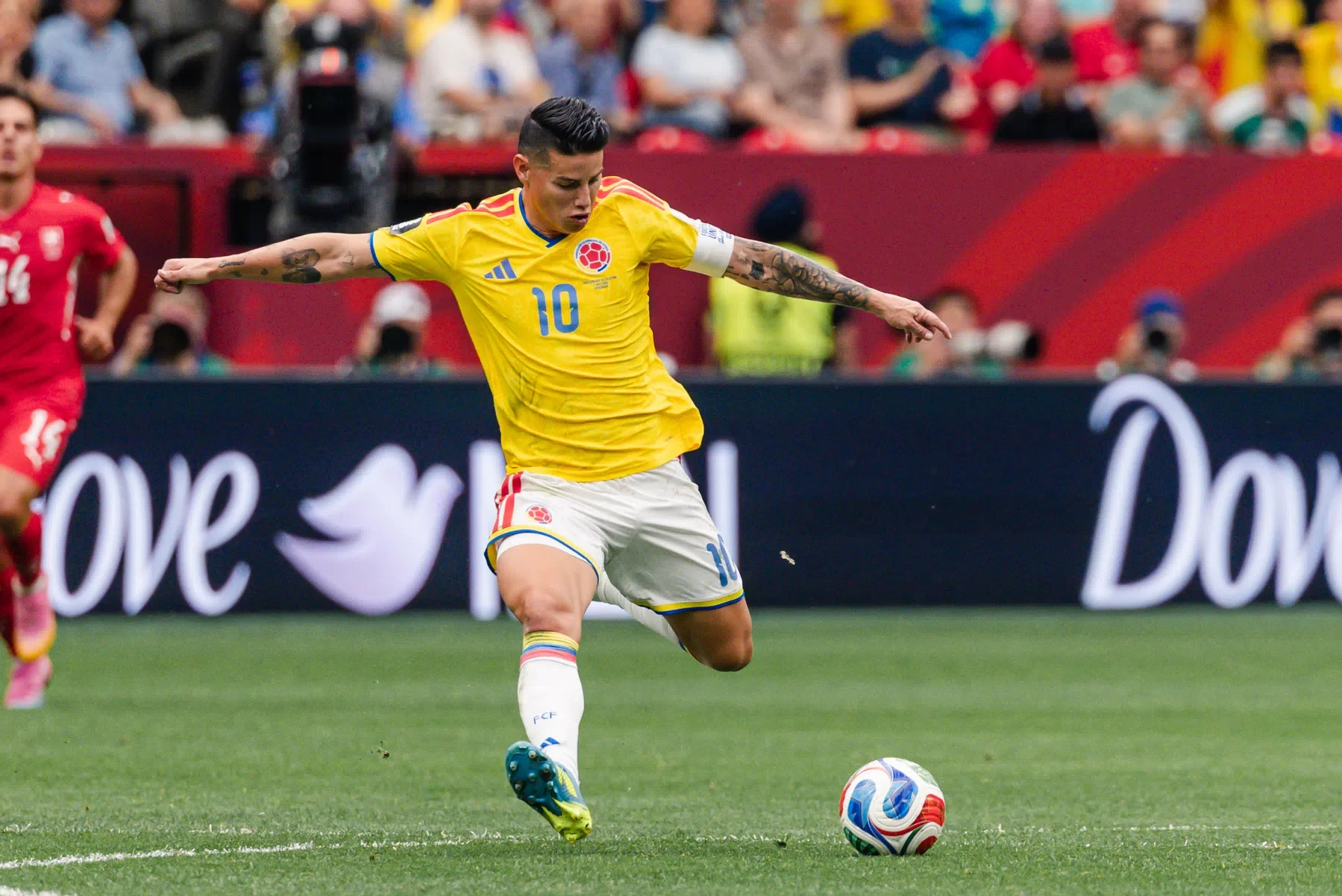
James Rodríguez's Departure from International Play
James Rodríguez has officially concluded his international career with the Colombian national team, having played an impressive 131 matches. Throughout this period, he netted 31 goals, earning him the distinction of being the nation's all-time leading international player. This achievement underscores not just his skill on the pitch, but also his enduring impact on Colombian football as a whole. Rodríguez isn't just a player; he's a national icon, emblematic of the strides Colombia has made in the sport over the last decade.
Highlights of His Career
One of Rodríguez's most iconic moments came during the 2014 FIFA World Cup, where he was instrumental in leading Colombia to the quarterfinals. His stunning goal against Uruguay became a defining moment, and he finished the tournament as one of the top scorers with five goals. It's a stark contrast to recent performances, particularly at the recent World Cup held in the United States, Mexico, and Canada, where the team bowed out in the round of 16, losing to Switzerland on penalties. This reversal highlights the fluctuating fortunes of national teams — a reminder that success is often fleeting in football.
A Glorious Yet Challenging Journey
Long recognized as both captain and marquee player for Colombia, Rodríguez had significant spells with clubs like Real Madrid and Bayern Munich. His time at these prestigious clubs was marked by brilliance, but also by struggle, as injuries disrupted key phases of his career. After a stint with Minnesota United, he expressed his desire to return home after eighteen years abroad, signing with Atlético Nacional. This move signifies more than a return; it's a redefinition of his career trajectory, ultimately aiming for a revival in familiar surroundings.
Technical Aspects of His Game
When discussing Rodríguez's impact, one can't overlook his technical prowess. Known for his exceptional ball control, vision, and ability to deliver pinpoint passes, he revolutionized the attacking midfield role for Colombia. His left foot, capable of launching lethal shots and crafty assists, changed the way opponents prepared for matches against Colombia. He exemplifies a modern midfielder; capable of playing multiple roles and impacting the game in various dimensions. His style of play has inspired a new generation of Colombian talent, demonstrating that artistry and effectiveness can coexist on the field.
Challenges Faced Along the Way
Despite his accolades, Rodríguez's journey was fraught with challenges. Post-World Cup 2014, when fame surged, not all of his subsequent moves went as smoothly. His transfer to Real Madrid in 2014 was celebrated, but the competition for playing time was intense. The expectation to consistently perform at an elite level can be burdensome, leading to periods on the bench that can crush a player’s morale. It raises questions about the mental resilience required to thrive in such high-pressure environments.
In recent years, injuries played a significant role in stunting his progress. As athletes age, their body mechanics change, and the burden of past injuries can weigh heavily. Recognizing when to step back, as Rodríguez appears to have done, is difficult but necessary for long-term health and legacy.
The Colombian National Team's Evolution
James's exit marks a pivotal moment in the evolution of the Colombian national team. He was part of a golden generation that brought newfound attention to Colombian football, especially during the 2014 World Cup. The departure of such a significant figure creates both a void and an opportunity for emerging talents. As the team recalibrates, the challenge lies in replacing not just his technical skills but also his leadership and experience. The influence of Rodríguez has paved the way, but it will take concerted efforts from younger players to carry forward the standards he helped set.
Future Implications and Outlook
What this means for the Colombian national team is paramount. The 2026 World Cup is not too far off, and with Rodríguez stepping aside, a new strategy must be developed to ensure competitiveness. Emerging players like Luis Díaz and Duván Zapata will now shoulder greater responsibilities, leading the charge into this new era. It emphasizes the cyclical nature of sports; new leaders must emerge as legends retire.
Colombian football is at a crossroads. While Rodríguez represented stability and skill, the future demands that the next generation harness his achievements while carving out their own identities. Can they capture the imagination of fans as Rodríguez did? As he reflects on his remarkable career, his legacy presents a challenge for those who follow — to build upon what he and his generation accomplished.
As Rodríguez bids farewell to international play, his influence will persist. It's both a closing chapter and the beginning of a new narrative for Colombian football. The challenge is steep, and only time will reveal if they can rise to it.
© Pro Shots