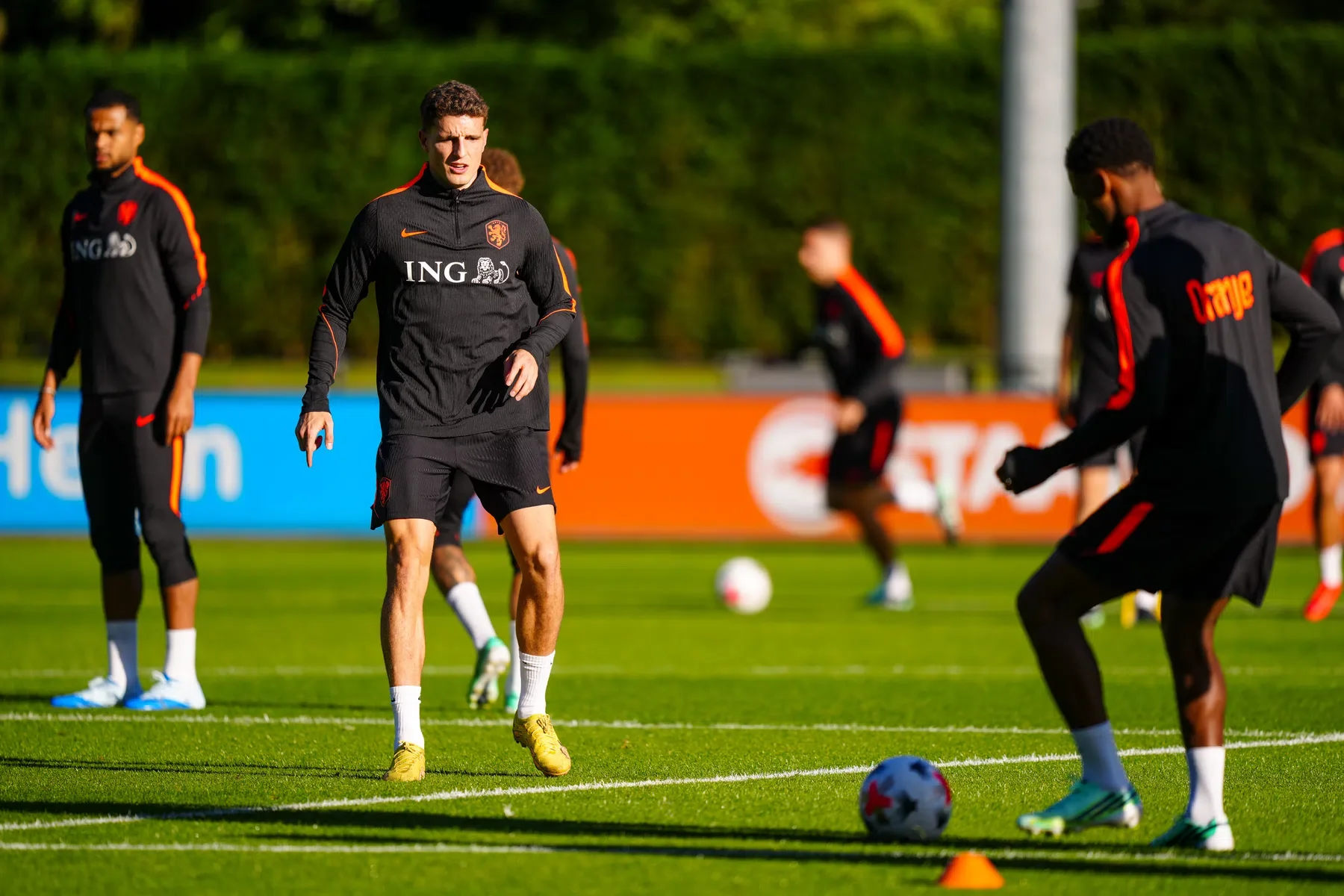
Wim Kieft questions Xavi's decision not to reach out to Guus Til after the player was initially omitted from the Dutch national team selection. While Til was later called up due to Justin Kluivert's withdrawal, Kieft expresses concern over the lack of personal communication from the coach, noting, "You can’t just call everyone."
© Pro Shots
Communication Breakdown in National Team Selection
Til's original absence from Xavi's selection was met with surprise and concern not just from fans but also from within the football community. PSV coach Peter Bosz publicly indicated that Til wasn’t informed about his omission in a personal manner; instead, he learned of it through media reports. This kind of communication gap can lead to a lack of trust between players and coaching staff, which is detrimental in high-stakes environments like international football.
Now, why does this matter? In professional sports, how coaches communicate decisions can significantly impact team morale and individual player confidence. If players feel sidelined without proper explanation or communication, it can foster resentment or disengagement. For a young player like Til, this experience could create uncertainty about his role within the national team and damage his relationship with the coaching staff. Effective communication often sets the stage for heightened performance and unity.
Comparison of Player Treatment
Eljero Elia, during a discussion on the popular football show Rondo, drew attention to the contrasting way Xavi handled communication with different players. He highlighted Memphis Depay as an example; Depay received a personal call which signals a respect for his experience and status as the national team's all-time top scorer. Elia’s comments illustrate that these gestures can have significant implications. Coaches who make an effort to connect with players foster deeper emotional investment from them. It’s about recognizing individual contributions and the lengthy careers players often have.
Debate on Player Selection Strategy
Tim Krul, a well-known goalkeeper, responded to Kieft's criticism by admitting the importance of clear communication from the Dutch Football Association but seemed puzzled by Kieft's insistence that Xavi should reach out to Til. Kieft countered by stating that it isn’t feasible to personally communicate with every player, especially those with minimal recent impact, like Til, who barely participated in the last World Cup. The discussion raises questions about priorities in selection: Should a coach invest time in every player or focus on those who are more likely to impact the game? Kieft’s argument suggests a pragmatic approach that adheres to traditional selection methods where established players often take precedence.
However, context matters here. The modern football environment requires adaptability and thorough communication. Coaches operate in a world where their choices are analyzed intensely—not just for tactical soundness but also for emotional resonance with players and fans alike. Ignoring this can come at a cost, especially when it results in public controversies like the one surrounding Til's omission.
(and this is the part most people overlook) The dynamics present in the selection process reflect broader themes within any sports organization: fairness versus practicality. Kieft’s defense of a traditional approach resonates with some in the industry but overlooks potential long-term ramifications. Creating an inclusive environment for all players, even those on the fringes, can foster a stronger squad unity and maintain a positive atmosphere moving forward.
Recognition and Core Group Development
Wytse van der Goot entered the conversation, arguing that Til’s prior World Cup experience warrants acknowledgment and a spot in the core group of players. This viewpoint challenges Kieft's assertion about excluding players based solely on current form or recognition. Van der Goot's argument opens up a broader discussion about how nations build their teams, particularly when considering the balance between immediate performance and long-term strategy. The inclusion of players with international experience can help create depth in a squad, an aspect often overlooked when focus narrows onto current form alone.
Kieft’s differentiation between players like Memphis Depay—who consistently performs well—and those who are not regularly featured may resonate with Xavi in his selection strategy. Yet, the question remains: can a coach truly build a cohesive team without instituting a more personal approach to lower-profile players? In a world where player stability and teamwork are paramount, Xavi might want to reevaluate how he approaches these communications, even on a personal level.
Implications for Future National Team Decisions
What this means for you, especially if you're working in this space of player management or coaching, is that the handling of communication in national team setups might be more significant than it looks at first glance. The treatment of players during selection periods could define the success or failure of a squad, both on and off the field. As national teams prepare for future competitions, coaches and management must consider the implications of their choices on both team morale and the overall team culture.
The conversation surrounding Guus Til serves as an important case study in sports management. Selection strategies are often at stake and can sometimes complicate team cohesion. The balance between established players and fresh talent requires thoughtful communication to ensure every player feels valued and understood. If Xavi or any other coach fails to adopt a more inclusive communication style, they risk alienating their squad at a time when unity can make all the difference.