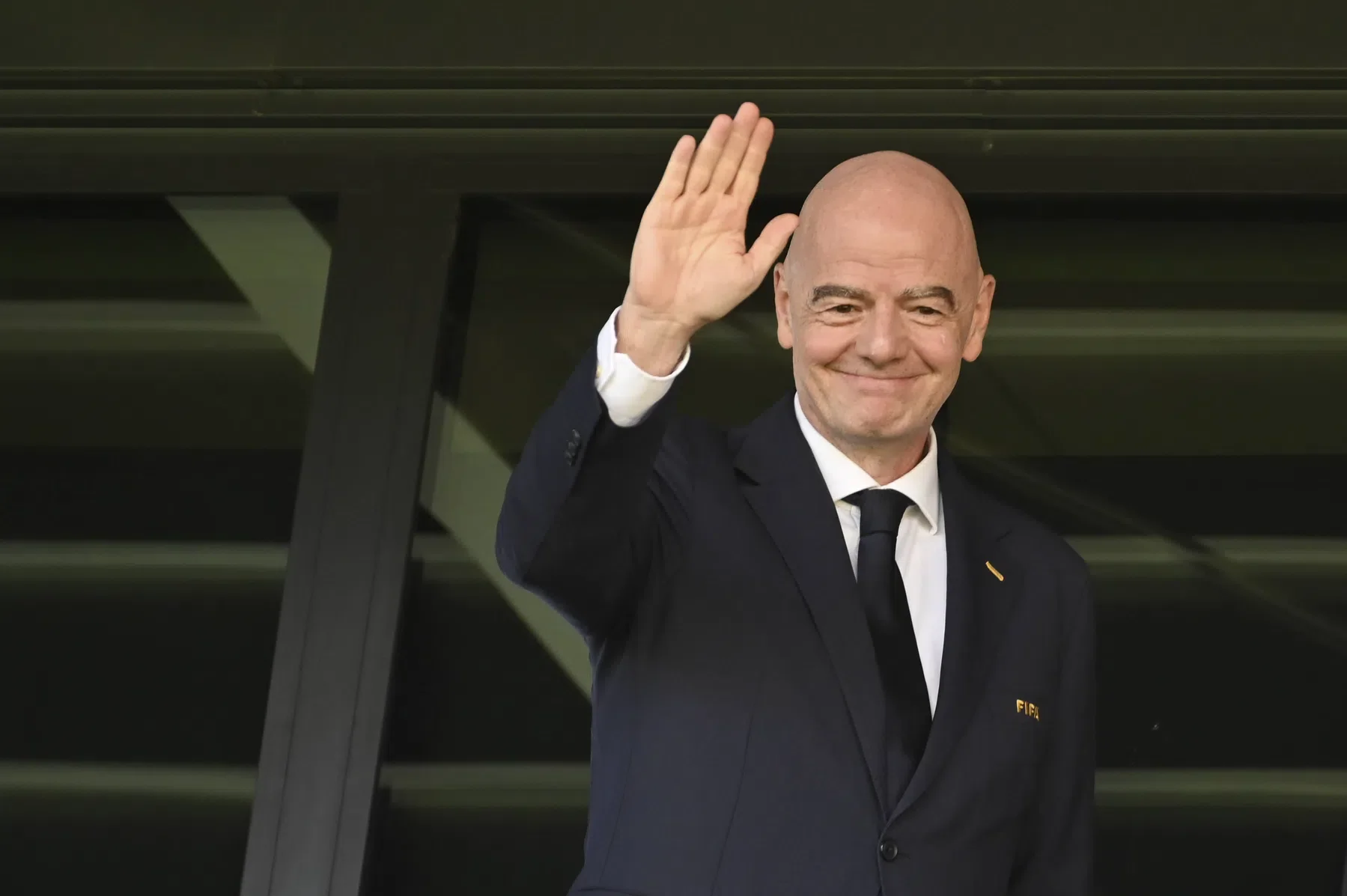
FIFA President Gianni Infantino is initiating conversations about potential reforms within the organization. According to The Athletic, this invitation for dialogue stems from a letter Infantino sent to members of the FIFA Council and the presidents of all 211 affiliated football associations.
© Pro Shots
Proposals for Review and Consultation
In his correspondence, Infantino suggested that during the FIFA Council meeting on October 15, the governance structure of FIFA be critically evaluated. This isn't just a perfunctory review; it's a nod toward transparency amid growing scrutiny regarding FIFA's operations. An independent external entity assessing how FIFA manages its strategic initiatives could provide the much-needed objectivity that internal reviews often lack.
Infantino's intention to create a formal and temporary consultative framework represents an acknowledgment of FIFA's fractured relationships with various stakeholders, including national associations and confederations. If you're working in this space, you'll recognize how such frameworks can often lead to either genuine reform or mere window dressing—his success hinges on earnest engagement rather than superficial discussions. It's a call for inclusiveness but also a challenge to solidify trust among FIFA's diverse membership.
Facing Criticism and Looking Forward
Infantino has faced substantial criticism regarding the controversial FIFA Forward Enterprise plan, which was retracted following backlash. This particular initiative aimed to boost football development funding but was marred by allegations of mismanagement. His claim that ambitious plans can only thrive in an environment of trust carries weight; without it, every initiative risks being viewed through a skeptical lens. This is the part most people overlook: trust isn't merely a soft metric. It influences funding, participation, and long-term support.
“Major ideas need to be developed, tested, and communicated through clear and reliable institutions. I take this responsibility seriously,” he states in the letter. While his sincerity can’t be disputed, the track record of FIFA leadership often raises questions. Moving from words to actions will be critical as Infantino tries to rebuild morale and confidence, especially among those who have lost faith in his leadership.
Despite the clouds of uncertainty hovering around his administration, Infantino is still vying for re-election as FIFA president. Currently, no official challengers exist, but that could change as FIFA heads toward a pivotal period of potential contestations. The deadline for possible candidacies is November 18, adding urgency to the situation. It's a tense waiting game, really, as challengers may realize the opportunity to pounce on Infantino's vulnerabilities.
The Importance of Trust and Governance
This proposal for reform isn't just about governance; it's about reshaping FIFA's identity in a world increasingly critical of its decisions. The expectations are high, and the margin for error is slim. Trust among member associations, sponsors, and the public isn’t extended lightly. Infantino needs to prove that FIFA can not only manage tournaments but also prioritize ethical considerations and transparency in its governance.
If FIFA wants to escape its long shadow of controversies, a cultural shift is unavoidable. This won't just be a task for Infantino alone; it’ll require collaboration, accountability, and a genuine willingness to adapt. Each step is scrutinized, and many will be watching to see who takes the lead in what appears to be a newly crafted consultation process. What this means for you: the impact of such reforms could define how the sport is administered globally, changing everything from grassroots investments to how major tournaments are hosted.
Future Outlook: What Lies Ahead for FIFA?
As reform conversations unfold, the implications go beyond mere governance. They affect everything from local club viability to international tournament integrity. Will FIFA be able to stem the tide of criticisms or will it continue to be seen as an outdated institution? The future of global football might depend significantly on the outcomes of these discussions. If Infantino can galvanize support and bring about authentic change, perhaps he can reshape FIFA's narrative.
But the reality remains that many stakeholders are hesitant. They're asking whether actions will match the rhetoric. In this highly polarized environment, every step taken by FIFA will be watched closely. As for the upcoming meeting on October 15, it could serve as either a turning point or just another missed opportunity. Either way, the football world waits with bated breath, curious about what will happen next.