In a conflicting sentiment following the Netherlands' Nations League victory against Serbia, Virgil van Dijk expressed disappointment with the team's overall performance.
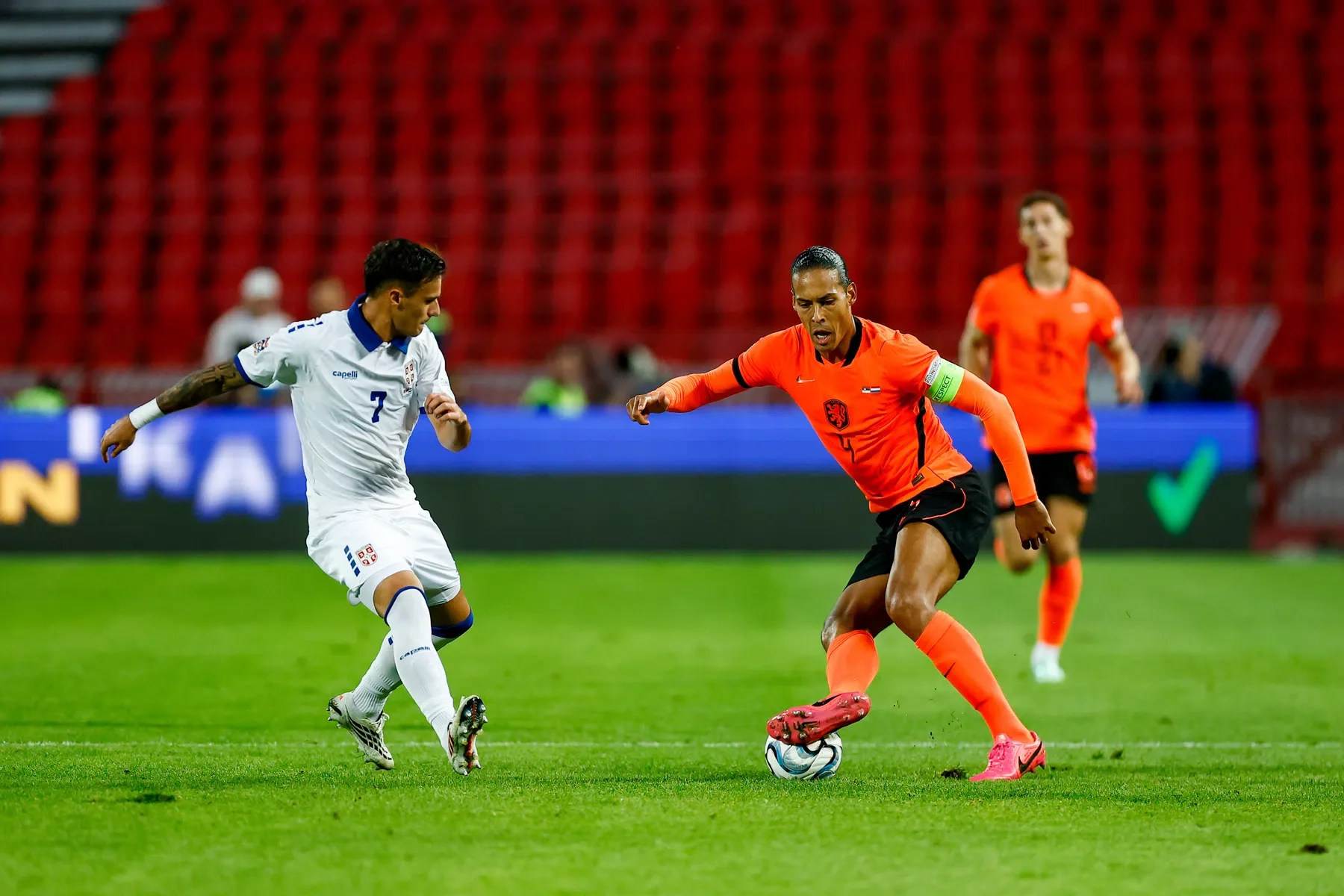
Van Dijk's Mixed Emotions
After the match, Van Dijk's conflicting emotions highlighted a prevalent issue in team sports: winning doesn't always equate to satisfaction. His comments reflect a sentiment that resonates with players and fans alike—victories are celebrated, yet they don’t erase the frustrations of underperformance. "I feel worse than after the previous match," he remarked, which prompts us to consider the broader implications: does a win mask deeper issues within team dynamics and execution?
His discontent stems not from the scoreline but from the team's failure to maximize opportunities. In a sport where scoring chances can make or break a game, Van Dijk's critique speaks volumes about the necessity for precision and sharpness in play. Moments missed are often magnified in critical matches. The fact that the team ended with a 2-1 victory might offer relief initially, but such a performance raises questions about their preparedness for tougher opponents.
Analyzing Post-Match Reflections
Van Dijk pointed out the team's struggles to convert chances, emphasizing that, "We made it harder on ourselves by not taking opportunities when they arose." This acknowledgment casts a spotlight on one of football's most critical elements: decision-making in the final third. The post-match review not only applies to this instance but reflects a broader trend in which teams that dominate possession fail to translate that into goal-scoring opportunities. It raises concerns over tactics and preparation, areas the coaching staff will need to address moving forward.
Interestingly, the early concession after halftime signifies not just a lapse in concentration but also a potential morale dip. Van Dijk reflected, "I find it challenging to pinpoint where we went wrong on that goal," underlining the fog of confusion that can descend even on seasoned teams.
This situation is particularly concerning considering the complexities and pressures that characterize international competitions like the Nations League. Teams face not only the pressure to win but also the scrutiny of fan bases eager for excellent performances, especially after underwhelming previous outings.
Praising Teammate Contributions
Despite the team's overall performance being deemed lacking by its captain, Van Dijk took the time to commend teammate Mexx Meerdink, who scored both goals for the Netherlands. By saying, "He did well and showcased what he can bring to the team, which is encouraging," Van Dijk brings attention to the silver linings amid the cloud of dissatisfaction. Such recognition of individual performances can serve as motivational boosts, but it also raises questions about the need for collective team effort versus individual brilliance.
In team sports, reliance on standout players can be a double-edged sword. If one or two players outperform consistently, it may mask underlying issues in teamwork, strategy, and execution. Van Dijk’s acknowledgment of Meerdink juxtaposes individual success against the backdrop of team failure—an issue all teams face but one that the Dutch must rectify if they aim for success in the Nations League.
Nations League Outlook for the Dutch Team
Looking ahead, the Netherlands is gearing up for their ongoing journey in the Nations League, facing top-tier opponents like Germany, Serbia, and Greece in the current group stage. After a disappointing showing at the most recent World Cup, the team's aim now is to regain momentum and establish a cohesive unit. The expectations for this squad are high—years of past glories linger in the memory and the weight of history can be both a motivator and a burden.
With every match under scrutiny, the Dutch side faces immense pressure to perform at higher standards. The challenge lies not only in securing victories but in dominating performances that restore faith among fans and stakeholders. It isn't merely about accumulating points; it's about reinventing the image of a historically strong team that has faltered recently.
For continuous updates and insights on the tournament, check out our dedicated Nations League page, which includes the latest news, match schedules, and standings. If you're looking for deeper analysis and stories about the Dutch national team, consider subscribing to VI PRO.
Implications and Future Outlook
This situation surrounding Van Dijk’s reflections carries broader implications for the Dutch national team. The juxtaposition of victory and dissatisfaction does more than reveal immediate issues; it unearths potential fractures in team morale and cohesion. Simply put: winning while feeling like you’ve lost can erode confidence. If you’re working in this space, you’ll recognize that character-building is as vital as skill development.
As teams prepare to navigate the complex pressures associated with international play, there’s also the lingering question of adaptability: can these players shift their mindset and elevate their game in time for the upcoming challenges? Failure to do so could lead to missed opportunities in a competitive environment where everyone is eyeing similar honors. This is more significant than it looks; the ramifications of their current trajectory could echo through future tournaments. Will they learn from these moments? Or let them become patterns of mediocrity?