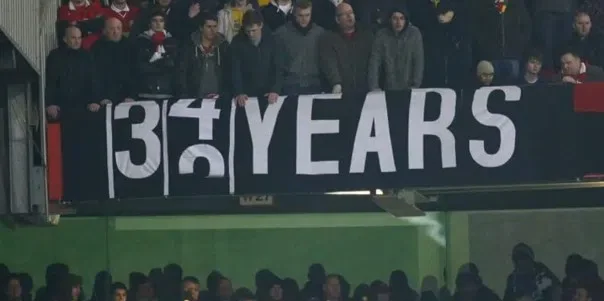
Banner's Return
Manchester United supporters are reviving a highly recognizable and playful banner as they prepare for their clash against Tottenham. Originally launched in 2000, this banner mocked their historic rivals, Manchester City, highlighting the prolonged span during which City had failed to win any trophies. The competitive edge that these two clubs have maintained over the decades isn't just about points; it's a saga filled with pride, legacy, and, notably, occasional barb like this one.
A Walk Down Memory Lane
The banner sported the phrase '24 years', indicating the gap since Manchester City last tasted victory—back in 1976, when they claimed the League Cup. Each year during City’s away matches, the banner was regularly updated live, continuously counting the years without silverware. This practice created a festive atmosphere for United fans, serving as a reminder of City’s struggles during a time when they were often overshadowed.
But here's the thing: this banter was as much about the rivalry's spirit as it was about the title race. The banner became a symbol of unity among United supporters, a ritual they shared and developed over the years. It was a small but loud reminder that while City fans waited for the glory years, United's legacy continued to grow. The context of this banner extends to the very culture surrounding Manchester football, where historical triumphs weigh heavily on current performances.
Changes After Success
In 2011, the banner was put to rest, having reached '35 years', as City finally earned an FA Cup victory. This win marked a significant turning point in the Manchester football narrative, revitalizing City and altering the competitive dynamics. The once-familiar underdog story of City transformed into one of ambition and success, thanks in large part to heavy investments that reshaped the club. However, the banner’s recent resurrection, now stating '51 years', signals a shift back to a narrative that United fans are eager to craft.
Much has happened since that fateful FA Cup win. Financial disparities have become a talking point in the world of football, particularly with respect to the new powers and fortunes reshaping traditional rivalries. Manchester City’s rise has been met with skepticism and scrutiny, especially after their recent financial irregularities came to light. The concept of sporting integrity has taken center stage, prompting supporters from rival clubs to question the legitimacy of achievements under financial clouds. And in that context, the return of the banner feels even more significant.
A New Defining Moment
United fans are now asserting that all trophies won by Manchester City since their 2009 takeover should be disregarded, based on the club's recent conviction for violating 114 financial regulations. This change of focus is more than just a reclaiming of tradition; it serves as a powerful rallying cry for supporters questioning the essence of competition in football today. What this means for you, if you're working in this space, is that narratives are evolving based on financial accountability rather than just victories.
The banner's return to the stands signifies a fresh chapter in this enduring rivalry. While City has enjoyed a wealth of success, United fans aim to redefine what those wins mean within the context of financial fair play, highlighting a conflict that extends beyond the pitch. In sports, as in life, ethical considerations often emerge after the fact, but they carve paths for future discussions.
Implications and Significance
We’re seeing a broader discussion about accountability in football, one that could have lasting implications for clubs worldwide. As financial malfeasance continues to surface, rival fanbases may find their own methods of protest, resurrecting old rivalries with modern twists. The overarching theme reveals a demand for not just victories but integrity. With financial scrutiny on the rise, the circumstances surrounding a club’s success might become more significant than the championships themselves.
Additionally, it's a stark reminder that football is not merely a showcase of athletic skill—it's also a complex interplay of culture, economics, and history. The passion displayed by fans bears witness to their loyalty and their very investment in the sport itself. And yet, the ambiguity when it comes to financial practices can mar that investment. This new chapter in the Manchester rivalry might push both clubs to tread carefully, wherein every goal scored could attract scrutiny not only for its beauty but for the funding behind it.
In essence, this banner's revival taps into a collective nostalgia while simultaneously challenging the legitimacy of past successes. This is a conversation that stretches beyond Manchester and resonates with football fans everywhere, casting a long shadow that could change perceptions of what it means to truly succeed in the sport. (And this is the part most people overlook.) In a world where club ownership can be wrapped in layers of complexity, the struggle for authenticity in football storytelling grows ever more intricate.
Image of the iconic banner