As Lionel Messi approaches the twilight years of his footballing career, fascinating insights from his youth are resurfacing. These scouting reports from his early days at Barcelona shed light on both his exceptional talents and the concerns surrounding his physicality.
© Pro Shots
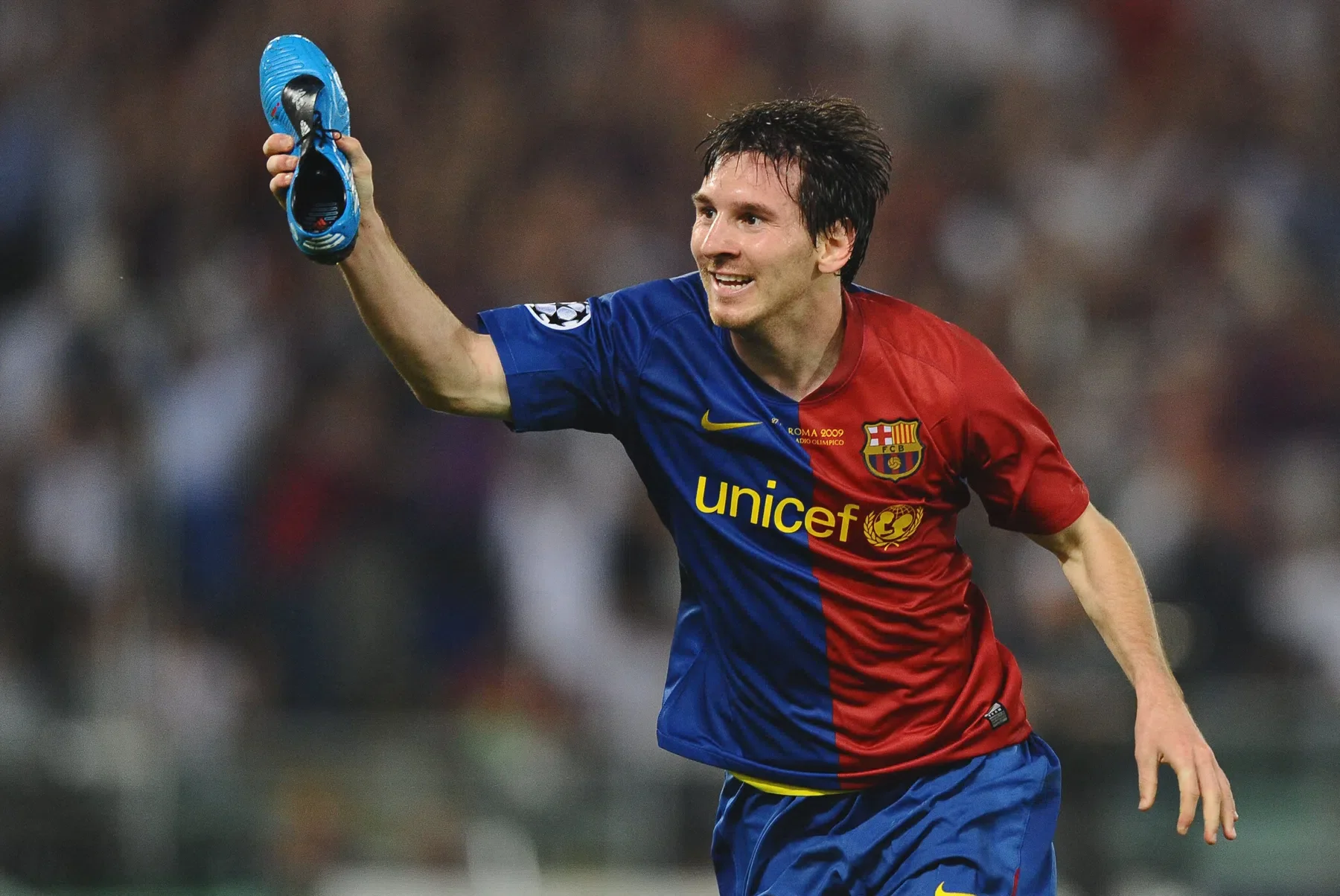
Early Scouts' Observations
Recently disclosed by France Football, reports from Messi's early trials indicated that while his footballing skills were extraordinary, there were lingering hesitations due to his physical stature at the time. Comments from a scout reflected that Messi was a "complete, technical player," but raised questions about his size. "His only weakness is his height and the lack of physical strength," the report noted, concluding that he was a "good player."
The apprehension expressed by scouts is particularly telling. Football, being a highly physical sport, often emphasizes strength and size alongside skill. If you're working in this space, you know that assessments of young players typically weigh technical ability heavily, but physical attributes are also front and center. For a young Messi, standing at just 1.42 meters, concerns about competing against taller and sturdier opponents were evident from the start. These reports highlight a common theme in talent recognition: potential isn’t just about skill; it's also about fitting the mold of what is perceived as 'ideal' for the sport.
A Mixed Bag of Predictions
Another scout was more hesitant, outright stating that Messi's physical limitations, especially his height, might hinder his ability to compete at higher youth levels. “Even if he grows to 1.50 meters, it will be difficult for him in elite youth teams. I wouldn't take a chance on him,” the evaluation cautioned, suggesting monitoring his development before making a decision.
This is more significant than it looks. These scouting reports reveal the fine line between being a genius and a risk. The prospect of Messi, who would later become a global icon, being overlooked due to size is a scenario we've seen play out in various sports. Every year, countless young stars with unrivaled talent get passed over because they don't match conventional expectations. Scouts and coaches face a tricky dilemma: recognize a player's skill without getting trapped by biases linked to their physical attributes.
Interestingly, a third report took a more optimistic view, suggesting the potential for greatness. "All in all, he's like a young Maradona," praised another scout. "I would sign him. He has so much to offer, and it will be interesting to see how he develops."
This remark paints Messi in a positive light. Not only does it draw a parallel with an Argentine legend, but it also suggests a willingness among some scouts to look beyond the typical evaluation criteria. Maradona's legacy is one marked by exceptional skill and dribbling ability, traits Messi embodied even in his youth. Here’s the thing: this insight emphasizes how critical it is for talent scouts to remain open to varied definitions of 'greatness.'
Implications and Significance
Looking back at these early reports not only gives us perspective on Lionel Messi, the player we know today; it also highlights the nature of talent evaluation in sports. With the rise of analytics and data in evaluating athletes, there’s currently less room for subjective judgments based solely on physicality. This change could lead to a richer understanding of what defines success in sports.
As Messi's career winds down, his history serves as a reminder that greatness can emerge from the most unexpected places. The reports caution us against being too quick to dismiss talent based solely on metrics that don’t account for skill or determination. (And this is the part most people overlook.) The questions surrounding Messi’s attributes speak to a broader dialogue concerning diversity in sports — not just in terms of physicality but also in the way scouts and coaches assess potential talent.
What this means for you, if you're involved in scouting or talent development, is simple: challenge those preconceptions. A player’s current physicality may not reflect their future potential. Many young athletes experience growth spurts, and their skills can evolve dramatically. By adopting a more holistic approach, you'll foster a broader talent pool that can possibly unearth diamonds in the rough.
Future Outlook for Talent Evaluation
In the world of sports, the scouting process is continually evolving. As technology advances and analytical tools improve, the industry will likely move toward a more systematic way of evaluating athletes, incorporating both physical and skill-based metrics. However, the essence of subjective evaluation — the gut feeling about a player's potential — shouldn't be entirely replaced by data. After all, numbers don’t capture heart, drive, or the invisible qualities that make a great athlete.
In conclusion, Messi's scouting reports remind us that the path to greatness is often riddled with skepticism. While many doubted his ability based on his size early on, those who recognized his potential paved the way for the astonishing career that followed. It underscores the importance of keeping an open mind and embracing the unconventional. With the right support, talent can flourish, regardless of preconceived limitations.