Manchester United’s latest heavy defeat exposed a tactical divide over how the team tried to defend. Bruno Fernandes questioned United’s approach to pressing and the space it left opponents, while manager Michael Carrick accepted responsibility for the performance. Their comments point to two different parts of the same problem: the decisions behind the setup, and the players’ failure to execute it.
United were thrashed by Como on Wednesday. Fernandes told TNT Sports that United started poorly, failed to put pressure on the ball and struggled to make use of possession. Those failures fed into each other. When a team can’t close down its opponent, it gives that opponent more time to find space; when it then can’t retain the ball, it gets little chance to reset or build pressure of its own.
Fernandes said United needed to show courage after conceding early and keep the ball to give themselves a chance of recovering. That’s a familiar demand after a setback, but it carries a tactical point: possession can help a team regain control only if players offer safe passing options and move with purpose. Keeping the ball for its own sake won’t necessarily change a match.
© Pro Shots
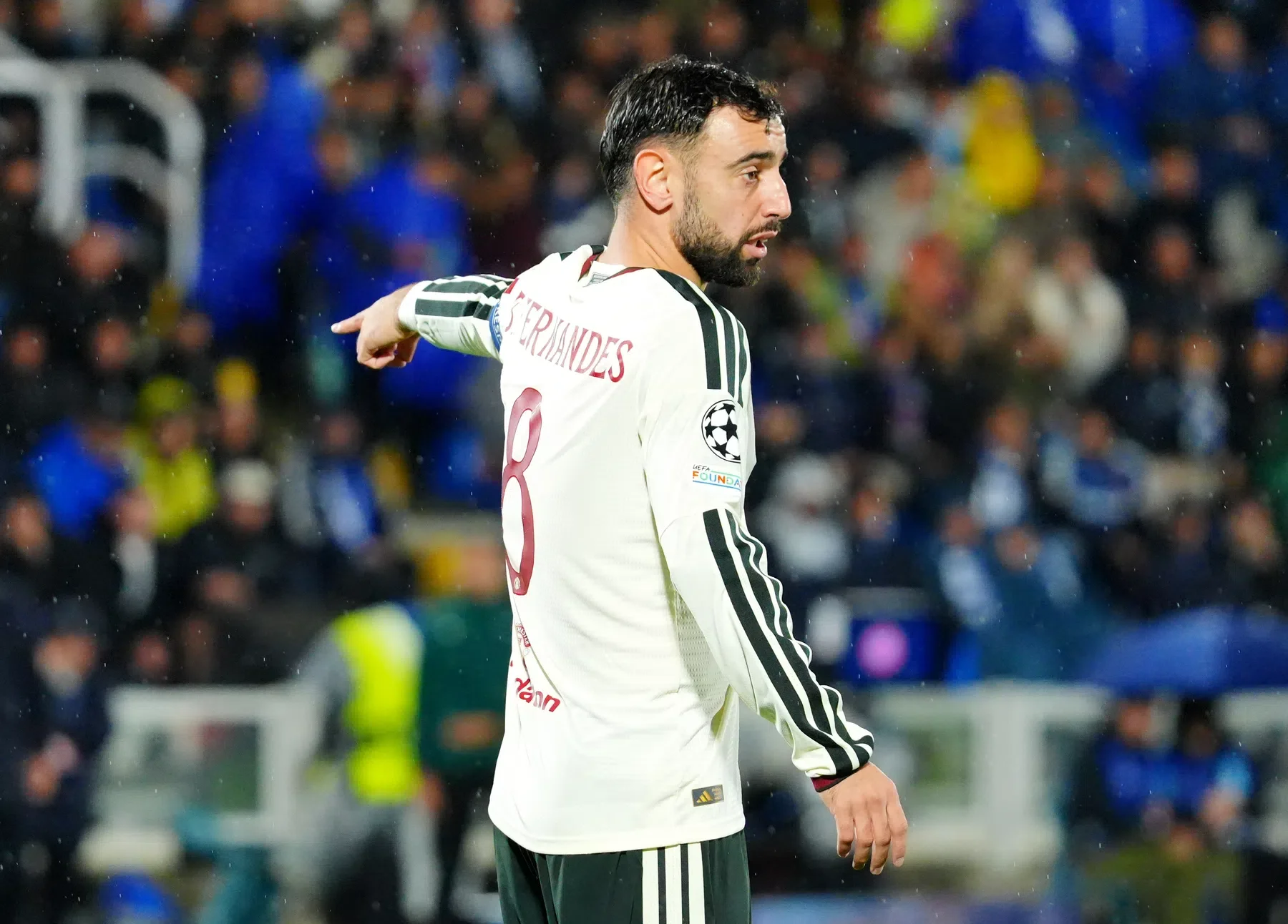
Fernandes points to man-marking choice
Asked why United didn’t use man-marking, Fernandes said that decision belonged to the coaching staff. His answer assigns responsibility for the defensive scheme without claiming that one tactical choice alone explains the defeat. The distinction matters: a pressing plan depends on coordinated movement, and even a sound idea can fail if players don’t close down together or cover the spaces their teammates leave.
Fernandes said United’s approach left spaces and allowed Como to gain confidence. In pressing, the first player to move is only one part of the action. Teammates need to follow, restrict passing lanes and respond when the opponent plays around the initial pressure. If those movements aren’t connected, the press can open routes forward instead of closing them.
United needed more nerve under pressure and should have taken risks to make Como uncomfortable, Fernandes argued. That’s a pointed assessment because it links tactical structure to player response: the staff chose how to defend, but the team still had to act with conviction. This is more significant than it looks. Fernandes is describing a gap between the intended approach and the intensity required to make it work.
He added that Como’s centre-back followed him as far as United’s half. United should have shown the same commitment collectively, he said, but failed to do so. The example suggests that Fernandes saw Como’s defenders willing to track United’s movement while United didn’t match that effort across the team (and this is the part most people overlook). A single opponent’s movement can expose a broader mismatch in how aggressively each side is willing to defend.
Carrick takes responsibility
Carrick called the display more than disappointing and said he took full responsibility. As a United supporter, he said, he found it unacceptable to watch and had apologised to fans, for whom he felt deeply. Those remarks acknowledge the scale of the performance without offering a detailed explanation of how it happened.
Asked about his future, Carrick set the question aside. His stated priority was analysing the match. That leaves the immediate focus on the performance itself: what the plan asked of the players, whether they understood their roles, and why United struggled both to apply pressure and to use possession effectively.
What United must examine next
Fernandes’ criticism puts the pressing plan among the issues United need to review, but the comments don’t settle whether the central problem was the system, its execution or both. Similar breakdowns often involve several linked failures: pressure arrives late, teammates don’t move in support, and the opponent finds room to advance. The available remarks identify symptoms, not a complete diagnosis.
For United, the practical test is whether the team can turn the post-match criticism into clearer coordination. If you’re working in this space, the key question is whether players can recognise when to press and when to protect their shape. One defeat doesn’t answer that. But when the manager accepts responsibility and a senior player publicly questions the approach, the club has a clear issue to investigate.
The numbers here are underwhelming in the only sense the source makes clear: United’s performance fell short of what Carrick and Fernandes expected. What happens next will depend on the analysis Carrick says comes first, and on whether United can show more conviction when they next face pressure.