Atalanta’s defensive shortage puts Sarri’s choices under pressure
Atalanta’s shortage of fit central defenders could force Maurizio Sarri into an unfamiliar selection choice against Ajax. The problem became sharper after Sunday’s 3-2 defeat to AC Milan, when Sead Kolasinac was injured and Thomas Kristensen was left as the squad’s only available specialist at centre-back. That leaves Sarri with little room to make a conventional change if his preferred defensive pairing can’t take the field.
Defender availability can shape more than the names on a team sheet. Centre-backs have to coordinate their positioning, cover space behind one another and respond quickly when an opponent attacks through the middle. A player moved into the role may understand the team’s broader instructions but still have less experience with those specific demands. For Atalanta, the immediate question is how to cover the position without creating new problems elsewhere.
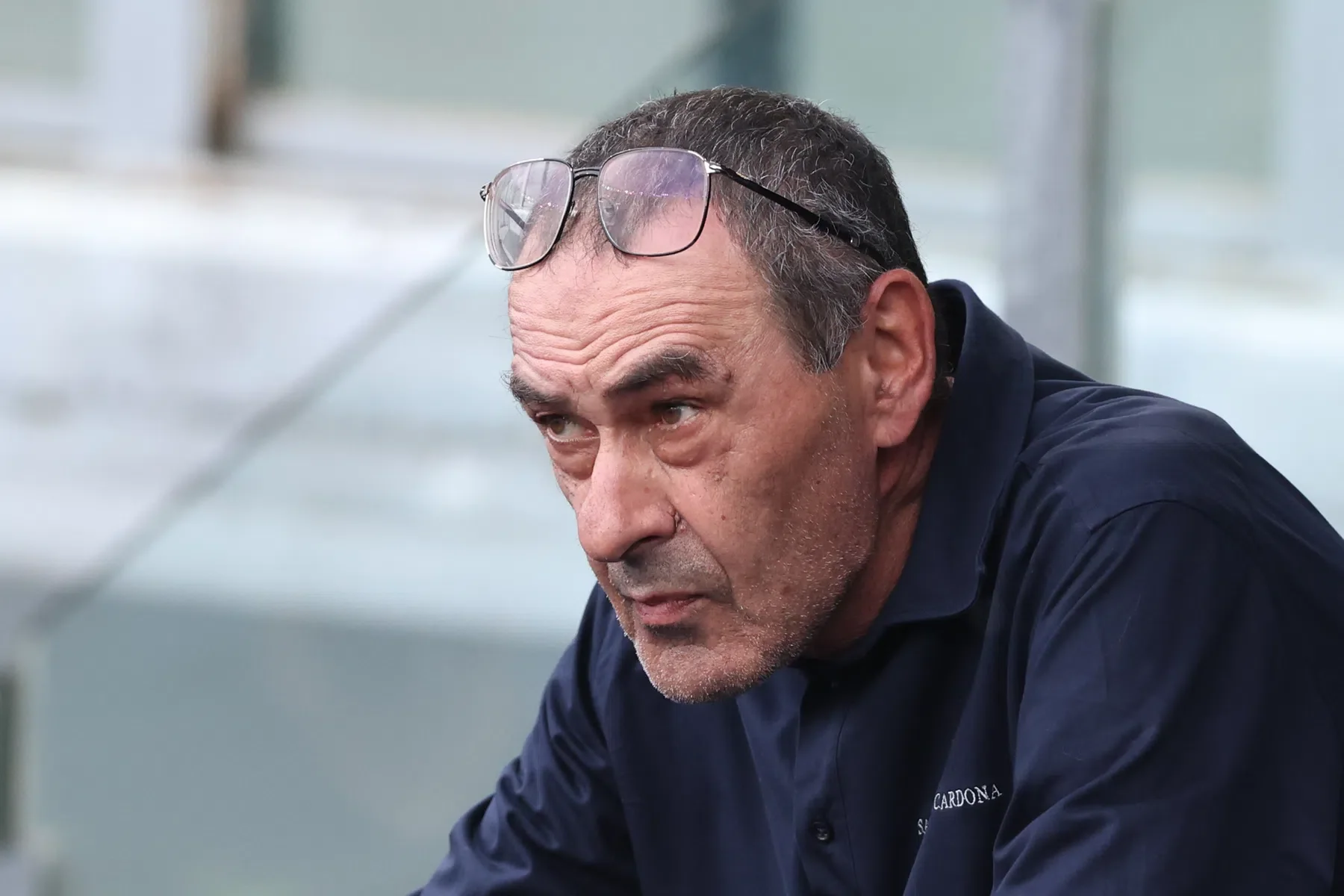
“I’ve never experienced a situation like this,” Sarri said. “But we’ll still put eleven players on the pitch. Let’s focus on those who are available.” His comments make the practical limit clear: the team has to prepare around the players who can take part, rather than wait for an ideal lineup to become possible. It’s a matter-of-fact response, though the shortage still leaves him facing a decision with real tactical consequences.
Davide Zappacosta, usually deployed as a wingback, is one possible option in the middle of defence. Sarri said the player’s experience would help, though he cautioned that Zappacosta lacks the height and physical profile for the role. “He’s a great player and could do well as a centre-back, but things can also go wrong in the penalty area.” That caveat points to the specific risk: familiarity with the team doesn’t automatically translate into the attributes a defender may need when contesting crosses or protecting the space near goal.
Zappacosta’s experience could make him a more predictable choice in some respects. A player who knows the team’s demands may be able to adapt more quickly than someone with less time at senior level. But the change would ask him to handle a different set of situations, and Sarri’s warning suggests he’s weighing those limits rather than treating the switch as a simple fix. The trade-off is plain: Atalanta may gain experience in the middle while giving up some of the physical qualities Sarri expects from a centre-back.
Twenty-year-old Relja Obric is another possibility after making his debut as a substitute against Milan. That appearance gives Sarri a recent look at him in a senior match, but the source doesn’t establish how ready he is to start or how he’d fare against Ajax. A debut can provide useful evidence; it can’t answer every question about a player’s ability to handle a different level of responsibility.
The selection choice could shape the match
Sarri’s decision won’t be just a choice between an experienced player in an unfamiliar role and a young player with limited senior exposure. It may also affect how Atalanta defend as a unit. Similar selection problems often require a coach to consider whether a change in personnel calls for a change in positioning or instructions, especially when the replacement brings different strengths. The article doesn’t say what adjustments Sarri plans to make, so the central point is the constraint itself: he has fewer natural options than he’d want.
That matters because a defender’s responsibilities are closely tied to the players around him. If one player is less comfortable contesting certain balls, teammates may need to offer more cover or protect different areas. Any such adjustment can have knock-on effects, changing where other players stand and how quickly the side can respond when possession turns over. There’s no guarantee those changes will be needed, but the shortage makes preparation more delicate.
This is more significant than it looks. A makeshift selection can hold up well, yet a team has to account for the situations in which the replacement is least suited to the role. Sarri has already identified a potential weakness in Zappacosta’s profile; that’s a specific concern, not a general criticism of the player. If you're working in this space, the detail to watch is whether Atalanta can protect that weakness through its collective shape.
And yet, Sarri’s statement also reflects the limits of pre-match debate. Atalanta still has to field a team, and the coach’s task is to make the available players work together. The situation offers no neat answer. A risk either way.
A different European meeting
Ajax and Atalanta last met in the Champions League six years ago; this time they face each other in the Conference League. The competition has changed, and Sarri said the current Ajax team differs from earlier versions, while its technical foundation appears much the same. That distinction matters: a club can retain a recognizable approach even as its personnel and the details of its play change.
Sarri’s assessment gives Atalanta a broad starting point for preparation, rather than a claim that the two meetings will resemble one another. He still rates Ajax’s technical ability highly, which suggests Atalanta can’t treat the opponent as less demanding because the teams are meeting in a different competition. Here's the thing: knowing a club’s general strengths isn’t the same as knowing precisely how its current side will use them.
For Atalanta, that scouting challenge arrives alongside the shortage at centre-back. The available information doesn’t establish how Ajax will try to test the defence, or whether it will target the players Sarri is considering for the role. But an opponent’s technical quality can make positioning and communication especially important, because defenders may have to react quickly as the ball and attacking players move. That raises the value of a clear plan for whichever player starts in the middle.
What to watch next
The immediate focus is on which option Sarri selects and how he frames the role. Zappacosta brings experience but, by Sarri’s account, has limitations in height and physical profile; Obric brings youth and a recent debut, but the source offers little evidence about what a start would mean for him. Kristensen remains the only available specialist at centre-back. Those are the facts the coach has to work with.
What this means for you as a reader is that the lineup may reveal as much about Atalanta’s shortage as it does about Sarri’s preferred approach. His comments acknowledge both the possibility that Zappacosta could succeed and the chance that the mismatch could matter in the penalty area. That said, no selection choice can be judged in full before the match shows how the players handle their assignments. For now, the uncertainty is the story.
Ajax in Europe
VI PRO follows Ajax’s European campaign with analysis, opponent profiles, interviews and podcasts. The coverage is intended for readers who want more than a match result: opponent profiles can add context before a fixture, while interviews and podcasts offer other ways to follow the campaign. Subscribe to the Ajax club plan.