Harry Kane’s Ballon d’Or win has put his career path in focus as much as his records. Bayern Munich welcomed him back to training on Tuesday with a hero’s reception, while praise from British prime minister Andy Burnham brought questions about a possible knighthood into the conversation. The award gives a new public marker to a career often discussed through goals and individual milestones; the honour speculation, by contrast, has no outcome yet. It’s a moment of recognition, and a reminder that sporting achievement can quickly become part of a wider national conversation.
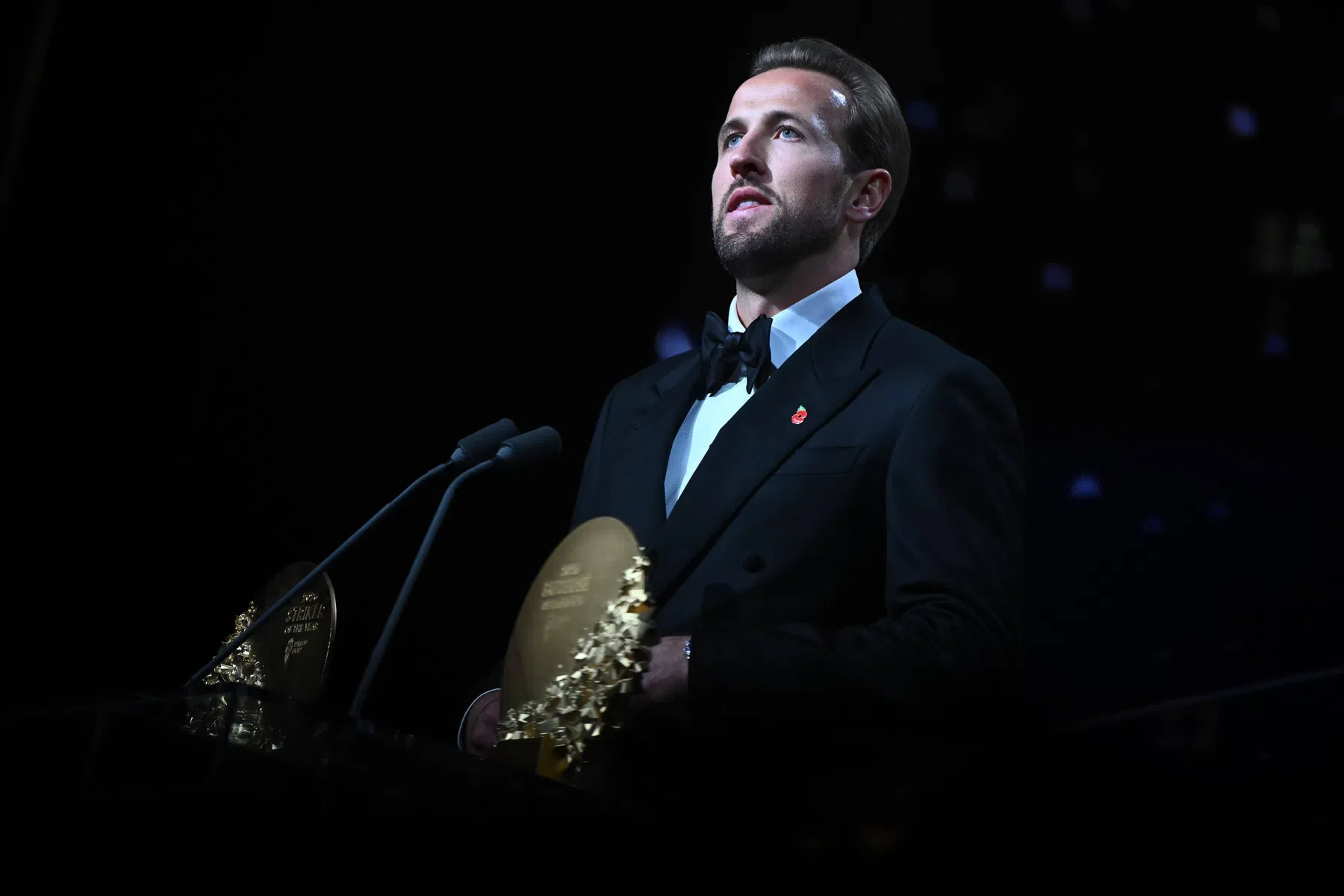
Kane beat Kylian Mbappé and Lamine Yamal to the award on Monday night. He returned to Bayern’s training ground the following day as the first English winner since Michael Owen in 2001, a gap that gives the achievement added weight for English football. Ballon d’Or wins are individual honours, but the response to this one also reflects a longer wait for an English player to take the prize. That history helps explain why the welcome at Bayern and the comments from public figures have carried meaning beyond the club setting. This is more significant than it looks: the award connects Kane’s season to a national football story that stretches back more than two decades.
Recognition for a full season
Former Bayern captain Lothar Matthäus called Kane a deserving winner. Speaking to Sky Sport, he said the award recognized a player who had performed consistently throughout the season, entertained supporters and served as a role model. Matthäus described Kane as Bayern’s leading figure. His comments make the case for the award in terms broader than a list of records: consistency over a season, the experience of watching the player, and the example he sets all matter in how a footballer’s contribution is judged. That’s a demanding standard, because it asks the award to reflect not just individual output but the impression a player leaves across a campaign.
Rio Ferdinand focused on the striker’s resilience. He said Kane had faced reasons to doubt himself, and argued that the difficult, lonely stretches behind a career’s goals and records were what made the current success especially meaningful. It’s an account of achievement that gives attention to the work and uncertainty that supporters rarely see. Goals and awards are visible; the long process behind them is less so. And yet, that perspective can make a victory feel more personal to fans who’ve followed a player through the less celebrated parts of a career.
Knighthood speculation remains open
Burnham’s spokesperson congratulated Kane, highlighting his status as the first Englishman in 25 years to win the Ballon d’Or. The spokesperson said Kane had made a major contribution to English football and called the moment significant for both the player and the country. The praise placed the award in a public context, where individual success can be treated as a source of shared pride. It doesn’t, by itself, settle what recognition Kane might receive next.
Asked whether Kane might one day be known as Sir Harry, the spokesperson declined to predict the outcome, saying the government would not anticipate the process for royal honours. The possibility is therefore still only speculation. That distinction matters: congratulations are on the record, while a knighthood has not been announced. The question has entered the discussion, but there’s no basis here to treat it as a likely or settled result.
Kane would join a group of 16 people from football who hold the title. Among the best-known are David Beckham, Gareth Southgate, Kenny Dalglish, Alex Ferguson and Bobby Charlton. The list below also includes Ian Botham, whose knighthood was awarded mainly for his cricket career. The names span different generations and kinds of contribution, so the list gives a sense of how broad the category is rather than a direct comparison of careers. (And this is the part most people overlook.) A place on it doesn’t describe one uniform route to recognition.
| Name | Year |
|---|---|
| Sir David Beckham | 2025 |
| Sir Gareth Southgate | 2025 |
| Sir Kenny Dalglish | 2018 |
| Sir Ian Botham (Lord Botham)* | 2007 |
| Sir Trevor Brooking | 2004 |
| Sir Bobby Robson | 2002 |
| Sir Alex Ferguson | 1999 |
| Sir Geoff Hurst | 1998 |
| Sir Tom Finney | 1998 |
| Sir Bobby Charlton | 1994 |
| Sir Walter Winterbottom | 1978 |
| Sir Matt Busby | 1968 |
| Sir Alf Ramsey | 1967 |
| Sir Stanley Matthews | 1965 |
| Sir Hubert Ashton | 1959 |
| Sir Charles Clegg | 1927 |
*Botham received the title primarily for his achievements in cricket. For Kane, the immediate marker of his landmark season is the Ballon d’Or; any honour beyond that remains undecided.
What the moment means for Kane
The award is a clear endpoint for one season’s recognition, while the knighthood question points toward a different kind of judgment. The two shouldn’t be folded together. A Ballon d’Or is the result announced on Monday night; a royal honour would depend on a separate process that the spokesperson declined to forecast. For readers, keeping those tracks apart makes the current story easier to assess: Kane has won football’s top individual award, and public praise has prompted discussion about what might follow.
If you’re working in this space, the most useful signal may be how quickly the conversation has widened from performance to legacy. That shift doesn’t establish what Kane will achieve next, or whether he’ll receive another honour. It shows how a major sporting award can invite questions about a player’s place in the national story. The record is in place. The next chapter is open.