Spain’s youth pipeline adds another title
Spain’s latest trophy stands out because it extends the country’s success across generations. After the senior side coached by Luis de la Fuente, Spain’s Under-15s won the inaugural Under-15 World Cup, beating Czechia 3-0 in Baku, Azerbaijan. FIFA president Gianni Infantino and former Arsenal manager Arsène Wenger watched from the stands.
The result gives Spain a title at a new age level, adding another entry to an already long list of achievements across men’s and women’s football. That breadth matters: success in one senior tournament can reflect a strong team at a particular moment, while titles across age groups suggest that winning has become a recurring feature of the national programme. Still, one tournament can’t establish how durable that pattern will be.
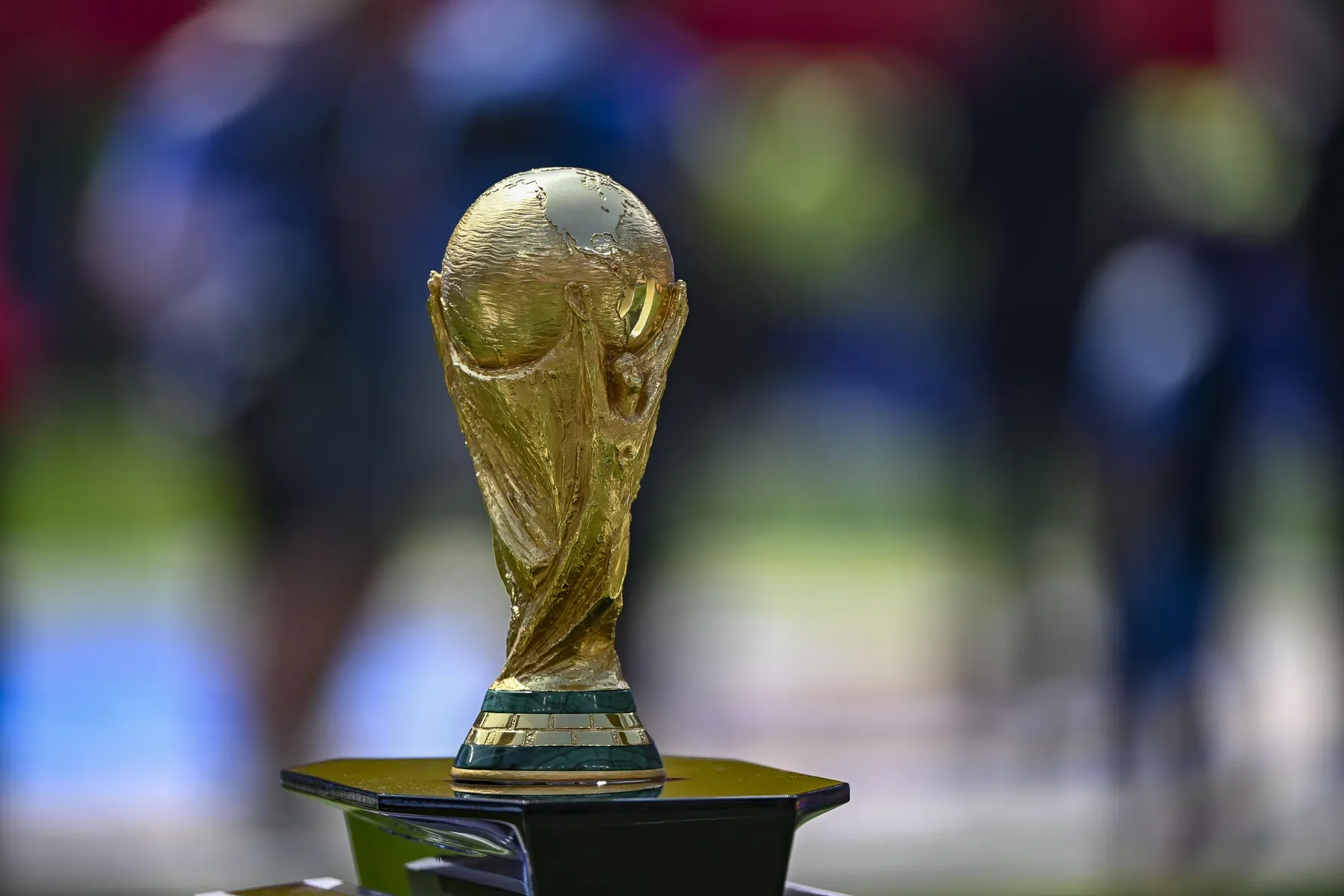
Infantino and Wenger helped establish the tournament to give young players opportunities and promote football around the world. Its first edition had an unusual scale: 189 countries took part, while 22 FIFA member associations were absent. The list included the Netherlands.
That reach is a central part of the event’s case. A global youth competition can give players and teams a stage they might not otherwise have, while also asking organisers to manage a schedule and format suited to a large field. The headline participation figure is impressive, but it needs context: countries taking part does not mean every FIFA member association was represented, or that every entrant had the same path through the tournament.
A huge tournament, with plenty of absences
Organising that many entrants meant 940 matches were played in just seven days. That figure says as much about the tournament’s format as its ambition. A schedule at that pace makes the event’s scale plain, but it also leaves little room to treat the competition like a conventional tournament in which a smaller group plays over a longer span. The available figures don’t explain how matches were distributed or what the format demanded of each team.
The competition’s global reach was broad, but participation was far from universal. The absences were spread across several continents, with Europe accounting for the longest list in the reported breakdown. (And this is the part most people overlook.) A large entrant count can make an event look fully global at first glance, yet the missing associations show that coverage and participation are different measures.
| Continent | Countries absent |
|---|---|
| Asia | North Korea |
| Africa | Eritrea and Libya |
| North America | United States |
| Europe | Armenia, Belgium, Denmark, Germany, Faroe Islands, Finland, Iceland, Liechtenstein, Netherlands, Norway, Ukraine, Austria, Romania, San Marino, Serbia, Slovenia, Sweden and Switzerland |
The list is a useful reminder that participation figures don’t tell the whole story. The event brought in teams from 189 countries, but the missing associations included countries from several regions and a substantial group from Europe. The source doesn’t give reasons for those absences, so they shouldn’t be read as evidence of a single cause. For readers assessing the tournament’s reach, the distinction matters: this was a large international competition, but its first edition did not include every association.
Spain’s record across age groups
Spain’s 3-0 final win gave Infantino a ready-made example of the country’s strength across the sport. Speaking to Diario AS, he said Spain had become world champion among men, women and now Under-15s, adding that the convincing final victory made him proud as FIFA president.
The result certainly supports the narrower point that Spain has won across multiple levels. The wider list of titles includes senior trophies, youth championships and an Olympic title, across both men’s and women’s football. Taken together, those wins offer a more rounded picture of Spanish football than a single senior team’s form can provide.
But the list also combines different competitions, age groups and years, which makes it a record of achievement rather than a like-for-like comparison. A senior European Championship and an Under-15 World Cup carry different sporting demands. That doesn’t diminish the younger players’ win; it puts the claim in proportion.
| Title | Men/women | Age group |
|---|---|---|
| 2026 World Cup | Men | Senior |
| 2024 European Championship | Men | Senior |
| 2023 Nations League | Men | Senior |
| 2024 Olympic title | Men | Under-23 |
| 2026 European Championship | Men | Under-19 |
| 2023 Women’s World Cup | Women | Senior |
| 2025 Women’s Nations League | Women | Senior |
| 2024 Women’s Nations League | Women | Senior |
| 2026 Women’s World Cup | Women | Under-20 |
| 2022 Women’s World Cup | Women | Under-20 |
| 2022 Women’s European Championship | Women | Under-19 |
| 2023 Women’s European Championship | Women | Under-19 |
| 2024 Women’s European Championship | Women | Under-19 |
| 2025 Women’s European Championship | Women | Under-19 |
| 2026 Women’s European Championship | Women | Under-19 |
| 2022 Women’s World Cup | Women | Under-17 |
| 2024 Women’s European Championship | Women | Under-17 |
| 2026 World Cup | Men | Under-15 |
The 2030 connection, and what it can tell us
Infantino also pointed to the 2030 World Cup, which Spain will co-host and which marks the tournament’s centenary. He said one of the young players might feature in that competition. It’s an appealing prospect, though the gap between an Under-15 title and a senior World Cup appearance is a long one.
At this age, a championship is a snapshot of a team’s performance, not a reliable forecast of individual careers. Players develop at different rates, and a national side’s future depends on more than a single group’s result. Infantino’s comment works best as an expression of possibility, not a prediction about who’ll reach the senior stage.
This is more significant than it looks because the new tournament gives the youngest players a shared international stage while adding another level to the record of Spanish success. If you’re working in this space, the useful question is whether the event can sustain broad participation and make its format work for teams across that large field. Spain has its first title. For the tournament itself, the harder test will be what comes after the inaugural edition.
A milestone, then. The result is clear; the long-term meaning is still taking shape.