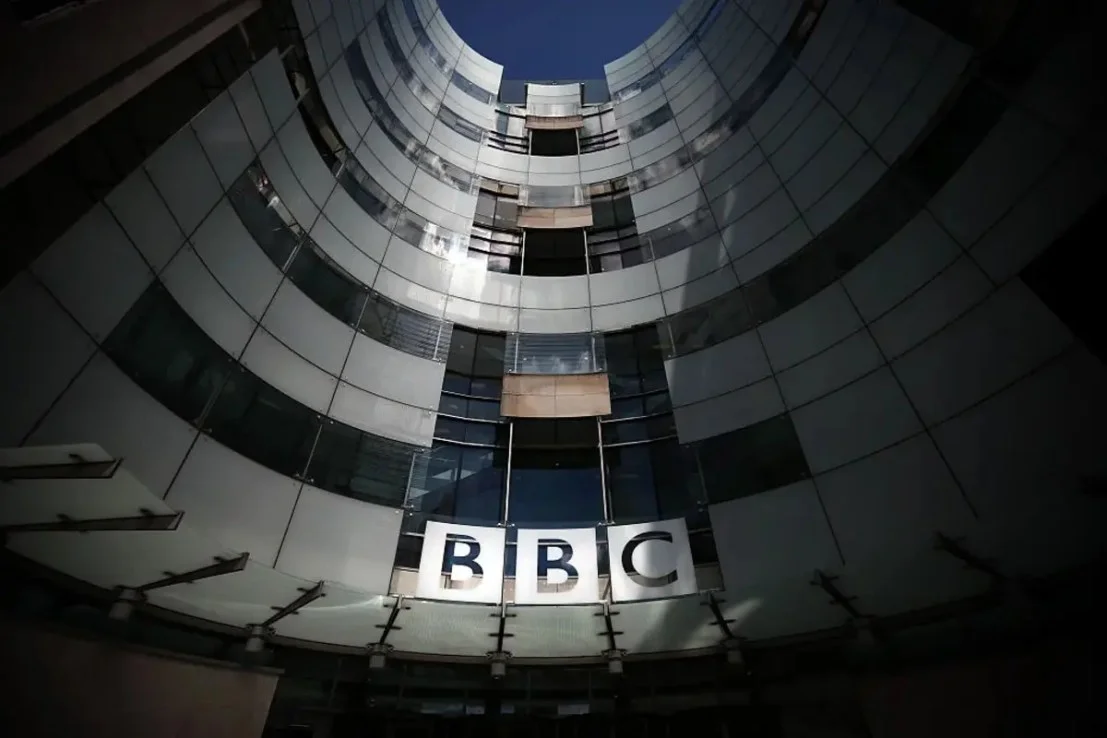
Matt Brittin, a veteran technology executive who spent nearly two decades at Google, has been named the BBC's next director general. The appointment comes as the public broadcaster navigates significant challenges around its funding structure, evolving audience consumption patterns, and competitive positioning in an increasingly digital media ecosystem.
Brittin's tenure at Google culminated in his role as president overseeing operations across Europe, the Middle East and Africa, a position he held until departing in 2025.
The leadership transition arrives at a critical juncture for the corporation, which must address fundamental questions about its financial sustainability and strategic direction amid intensifying competition from streaming platforms and digital content providers.
A tech-first strategy
The vacancy emerged following Tim Davie's resignation last year, which came in the wake of editorial controversy surrounding a Panorama interview with Donald Trump.
BBC chairman Samir Shah characterized Brittin's background as uniquely suited to the moment, highlighting his track record in "leading a high-profile and highly complex organisation through transformation". Shah emphasized that navigating shifts in audience behavior and responding to competition from global technology platforms will require precisely the capabilities Brittin developed during his Google career.
The timing is particularly significant, Shah noted, given the government's concurrent review of the BBC's royal charter—a process that will establish the framework for the broadcaster's funding mechanisms and governance structure going forward.
In accepting the role, Brittin acknowledged the dual nature of the challenge ahead, describing it as "a moment of real risk, yet also real opportunity".
He framed the BBC's mission in terms of national necessity: "The UK needs a thriving BBC that works for everyone in a complex, uncertain and fast-changing world."
Brittin outlined a strategic vision centered on organizational agility and audience-centric operations while preserving the institution's foundational strengths.
His approach emphasizes operational velocity: "The BBC needs the pace and energy to be both where stories are, and where audiences are." He stressed the importance of leveraging existing assets—reach, credibility, and creative capabilities—while confronting structural challenges and evolving toward a sustainable public service model for the digital era.
The selection represents a departure from institutional precedent. Historically, the BBC has elevated leaders with backgrounds rooted in journalism, editorial leadership, or content production.
Sources familiar with the board's deliberations indicate that Brittin's expertise in digital transformation proved decisive, particularly given the broadcaster's need to compete effectively with streaming services and platform-based content distribution models.
Funding reform remains a central pressure point. Ongoing debates about the licence fee's viability and potential expansion of commercial revenue streams will likely define much of Brittin's early tenure.
Shah underscored the urgency of the situation, stating there is a "clear need for radical reform" and cautioning that "the stakes for the BBC, and the future of public service broadcasting, have never been higher."