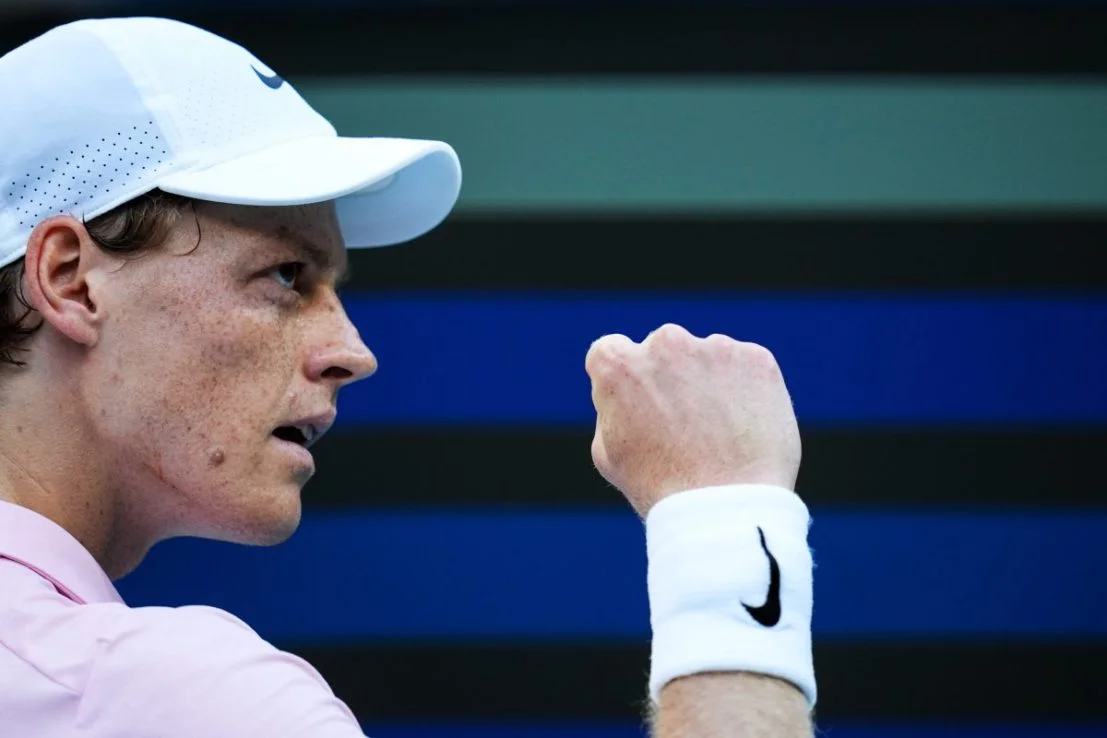
Elite tennis professionals, including world-class competitors Jannik Sinner, Britain's Jack Draper, and Aryna Sabalenka, are intensifying their campaign for comprehensive reforms at the sport's four major championships, with compensation structures and player representation at the forefront of their demands.
A coalition representing the majority of the ATP and WTA top-10 rankings is pressing Grand Slam organizers to substantially increase the share of tournament revenues directed toward prize purses, enhance player welfare funding mechanisms, and establish a formal player advisory body to ensure athlete voices shape operational decisions at tennis's premier events.
The sport's marquee names deployed their substantial social media reach this week to broadcast a coordinated message outlining their reform agenda.
Reigning Wimbledon champion Jannik Sinner joined Draper and top-five women's competitors Coco Gauff and Jessica Pegula in disseminating the statement to their combined millions of followers, while current world No1 Sabalenka publicly endorsed the initiative. The movement gained additional momentum from prominent players including Ben Shelton, Daniil Medvedev, Felix Auger-Aliassime, and Alex de Minaur.
This coordinated advocacy arrives as Roland Garros deliberates its position on the player proposals. French Open administrators are scheduled to announce prize money allocations for the upcoming championship next month, while the All England Club evaluates its strategy for Wimbledon.
What are tennis stars asking of Grand Slams?
The fundamental grievance centers on a significant disparity between Grand Slam compensation structures and those of premier tour competitions in both prize distribution and comprehensive player benefits, including retirement funding and medical coverage. While ATP and WTA 1000-level tournaments allocate approximately 22 per cent of revenues to player compensation, the four major championships distribute roughly 16 per cent.
These reform efforts unfold amid persistent ambiguity surrounding professional tennis governance and an increasingly congested competitive schedule.
Grand Slam leadership declined engagement during last year's US Open, informing players that structural modifications would remain on hold pending resolution of discussions regarding a prospective "Premium Tour" concept and its implications for the annual calendar.
The response frustrated leading competitors, with Sinner expressing to the Guardian in October: "We established productive dialogue with Grand Slam representatives at Roland Garros and Wimbledon, which made their subsequent position—that action on our proposals must await resolution of separate matters—particularly frustrating.
"While calendar optimization and scheduling represent legitimate concerns, no structural impediment prevents immediate action on player welfare infrastructure such as pension schemes and healthcare provisions.
"As the sport's flagship events commanding the largest revenue streams in professional tennis, we're advocating for equitable contributions supporting the entire player ecosystem, alongside prize structures that accurately reflect these tournaments' financial performance.
"Our objective is collaborative problem-solving with Grand Slam leadership to develop sustainable solutions benefiting tennis's broader stakeholder community."